Reliable power for remote communities
Vantara Rapid stand-alone power systems for ESIP, Papua New Guinea
Discover
ESIP is responsible for the development of power infrastructure across remote and regional Papua New Guinea, serving local communities including schools, community organisations and government facilities. Many of these communities have relied on diesel generators for off-grid power: costly to run, and difficult to transport across PNG’s rugged, island terrain.
ESIP needed a trusted Australian partner who could supply stand-alone power systems in two sizes for distribution to selected villages and areas, with one condition that shaped everything that followed: the systems would be transported and installed by local contractors. Whatever we designed had to be genuinely easy to move and straightforward to assemble on site, not just easy for a specialist crew.
Valen was chosen on the strength of our track record supplying reliable power, and because we could offer more than a product. ESIP wanted a partner willing to support training and commissioning as part of the solution, in Australia and in PNG. That combination of proven delivery and hands-on, ongoing support is what brought ESIP to us.
Design
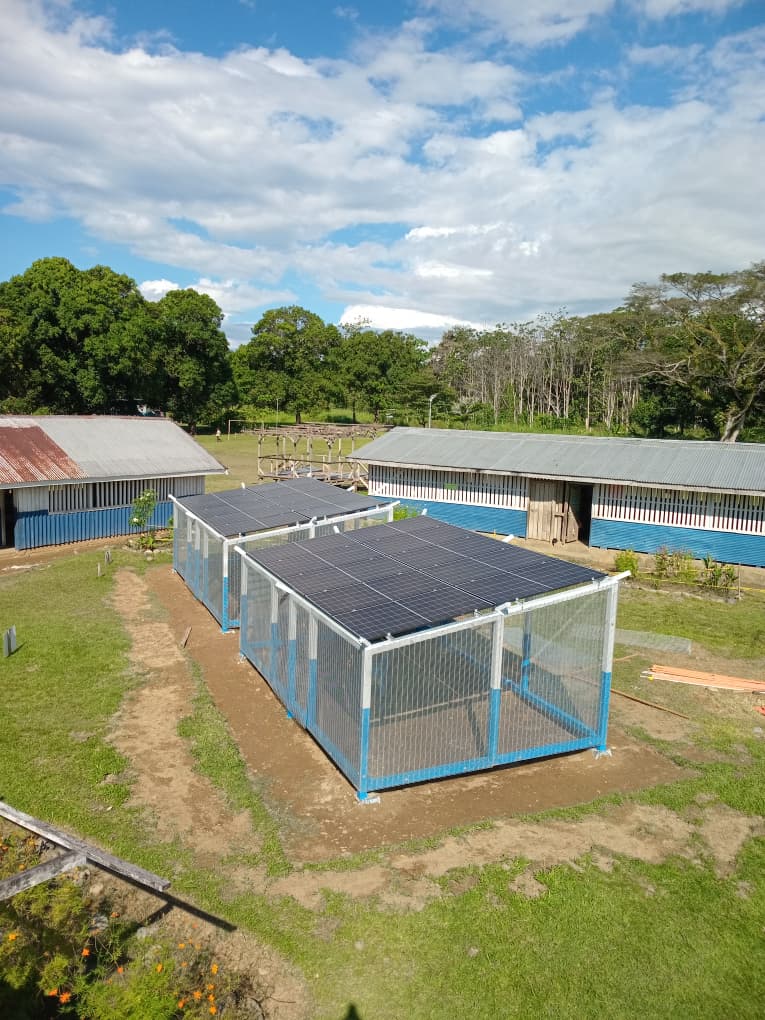
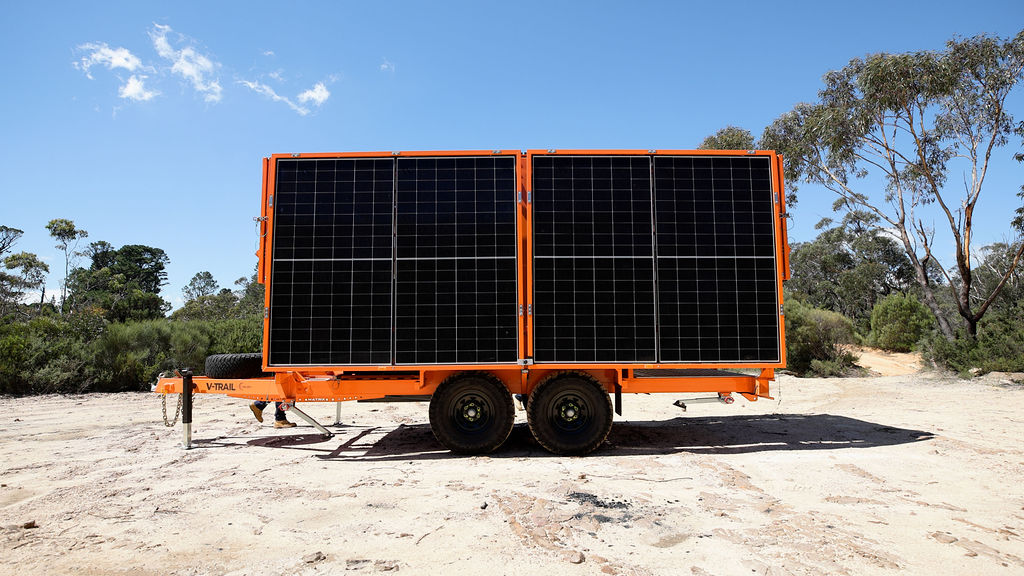
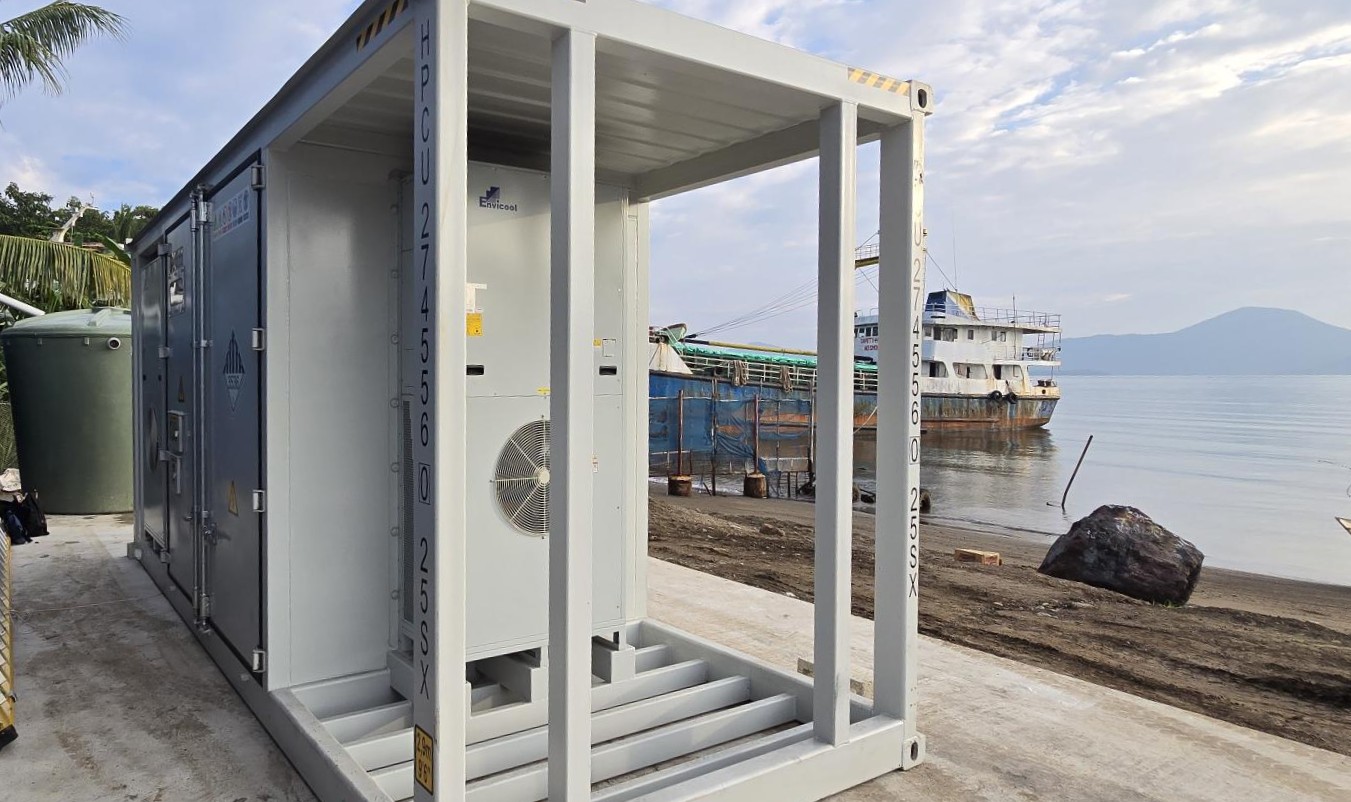
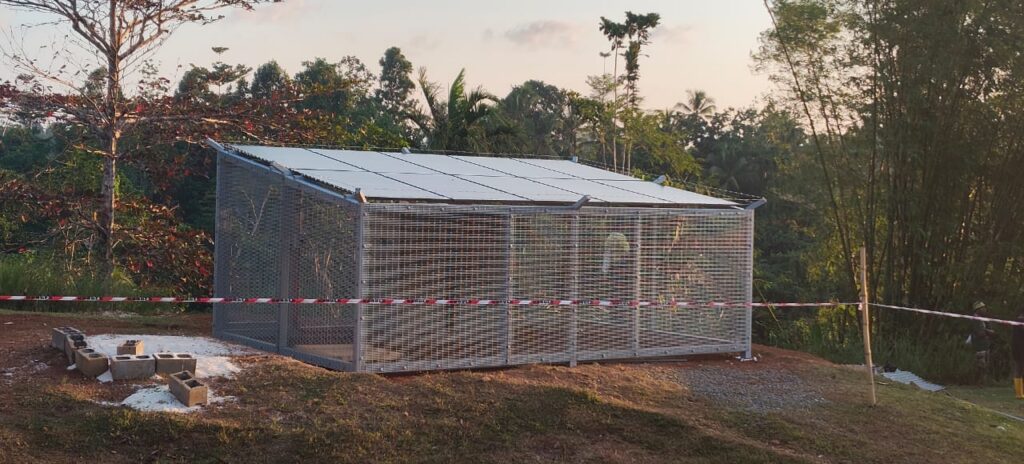
The brief was clear: two system sizes, 5kW and 10kW, each built on our surefoot footing design, each fitted with integrated cyclone fencing for site security, and each packaged to move easily through PNG’s logistics chain to remote sites.
We worked through our usual process: a discovery meeting to understand ESIP’s requirements in full, followed by technical scoping meetings to translate those requirements into a system design, then open communication with ESIP throughout the delivery schedule to keep the project on track.
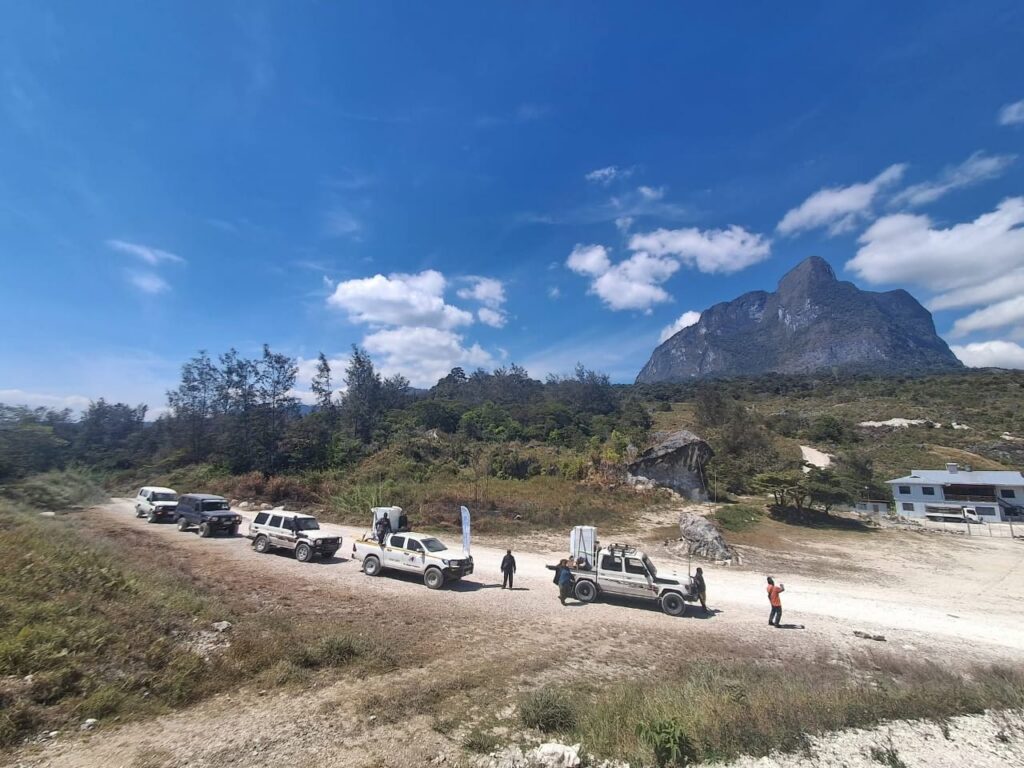
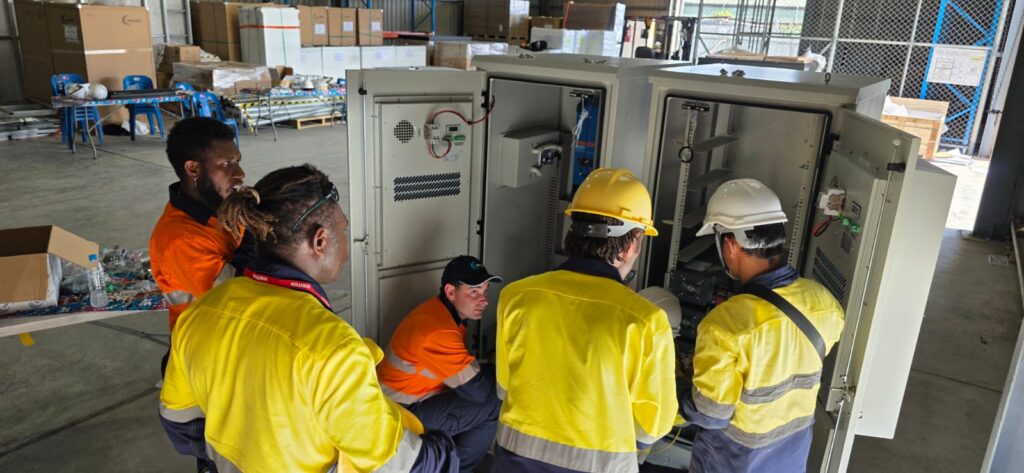
One request arose during design that changed our scope: ESIP asked Valen to travel to PNG to support the first batch of installations directly, including on-site install and commissioning training for their contractors. We said yes without hesitation. It meant a bigger commitment from our team, but it also meant ESIP’s contractors would be trained by the people who designed the system, and that mattered more to us than keeping the scope narrow.
Deliver
Twenty-one systems, a combination of 5kW and 10kW Vantara Rapid units, were built and delivered to schedule across 16 weeks. The design decisions made upfront, simple packaging, surefoot footings and a straightforward assembly sequence, paid off exactly as intended: local contractors were able to install the systems without the delays or complications that often come with remote Pacific logistics.
Our team’s on-site presence for the first installation batch meant any questions were answered in real time, and ESIP’s contractors left with hands-on commissioning experience they could carry into every install that followed.
Support
Remote PNG communities now have access to reliable power where diesel generators once carried the load. For the schools, community organisations and government facilities ESIP serves, that shift removes a persistent source of cost and operational complexity: no more diesel to source, transport and manage across difficult terrain, and no more budget lost to fuel logistics that could instead go toward the communities themselves.
Our involvement with ESIP didn’t end at commissioning. We remain available to support these systems from Australia and in PNG, consistent with how we work with every client: the relationship continues well beyond installation.
The surefoot, fenced Vantara Rapid design proved its value beyond this project too. Since its deployment for ESIP, the same fast-to-install, security-focused approach has been adopted in other industries facing similar constraints, including rail, where operators need units that install quickly within tight corridor access windows and stay secure against theft in exposed, remote locations. What began as a solution for remote PNG communities is now a model for any organisation that needs to deploy reliable power fast, in places that are hard to reach and hard to protect.