Australia is heading into bushfire season. Every network operator and every Distribution Network Service Provider (DNSP) knows what that means. Heat. High winds. Fire activity. Damaged poles, damaged lines, and communities that can lose power without warning.
When power infrastructure goes down, it is not just about lights in houses. It is communications, pumps, medical equipment, traffic control, evacuation points, and public safety radio. When that stops, response slows. Risk goes up.
This is exactly where V-Trail comes in.
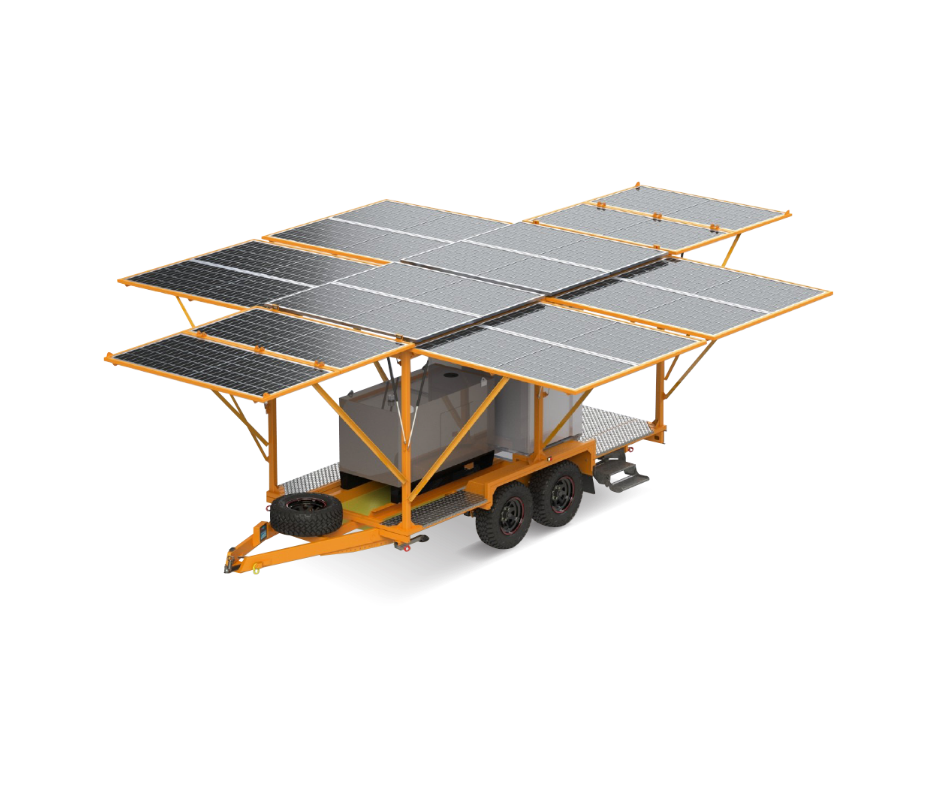
V-Trail is a trailer-mounted hybrid Stand Alone Power System (SAPS) built for fast deployment in regional and remote locations. It delivers stable off grid power at short notice, so essential services can keep running even if the grid is offline. In this article, we will walk through why Network Operators are using V-Trail as part of their bushfire readiness plan, how it supports emergency operations, and what makes it different from typical mobile generator setups.
Why DNSPs need deployable off grid power during bushfire season
Bushfires create two problems for Network Operators.
- Physical damage to poles and overhead lines
Fire, smoke and falling trees can destroy assets or make them unsafe to energise. A site might be isolated from the main feeder for days.
- Restricted access
In a live fire environment, the network operator often cannot repair immediately. The site might be dangerous to work on, or roads might be closed. That means customers, communications towers, and other infrastructure downstream of that point may be without supply while the network team is still assessing the damage.
Traditionally, the answer is to tow a diesel generator to site. That sounds simple, but it creates its own problems. Most generators are loud, fuel hungry, and require supervision. They also do not scale well if you have multiple sites down at once. You need people to move them, refuel them, test them, and log runtime. In a severe fire event, network teams are already stretched.
Network operators are now looking for a better model. They want a self contained unit that can be towed to site, stabilised, powered up, and left to run critical loads with minimal intervention. This is exactly the use case V-Trail was built for.
What is V-Trail
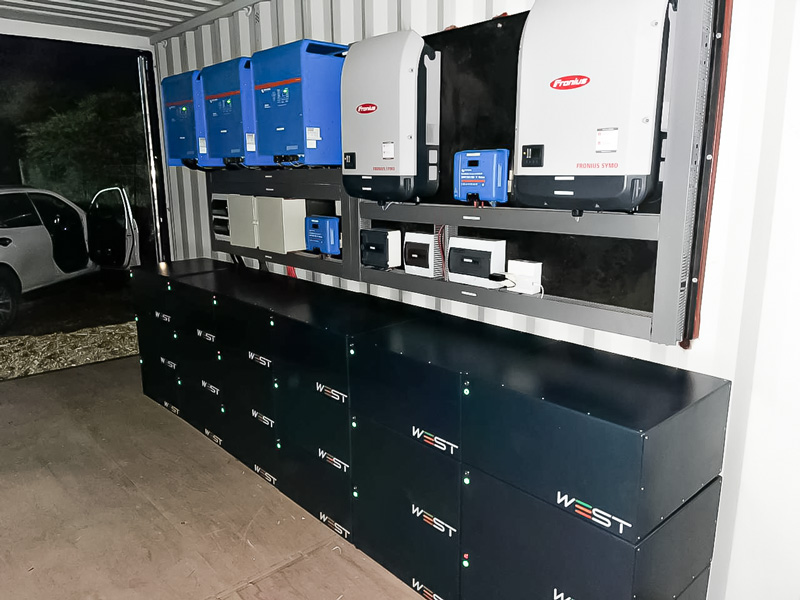
V-Trail is a towable hybrid Stand Alone Power System that combines solar generation, energy storage, and intelligent power control in one mobile unit. It is designed to be deployed quickly by a single operator and brought online in the field without specialised lifting gear or external infrastructure.
In plain terms, V-Trail is a power plant on wheels.
Instead of relying purely on diesel generation, V-Trail is engineered to deliver clean and reliable power using an integrated system of battery storage and solar. Backup generation can be included for extended runtime. The goal is to give network and emergency operators a safe, fast, and self managing source of energy that can sit in place for as long as it is needed.

How V-Trail supports disaster relief
V-Trail is already being positioned by one DNSP as part of its summer and bushfire season response plan. Here is how it fits into real operations.
1. Temporary network support
If a pole top transformer, conductor, or feeder segment is damaged, V-Trail can be towed directly to the affected area and used to supply a critical site while permanent repairs are underway. This helps the DNSP maintain continuity of service to priority loads and reduce outage impact on essential customers.
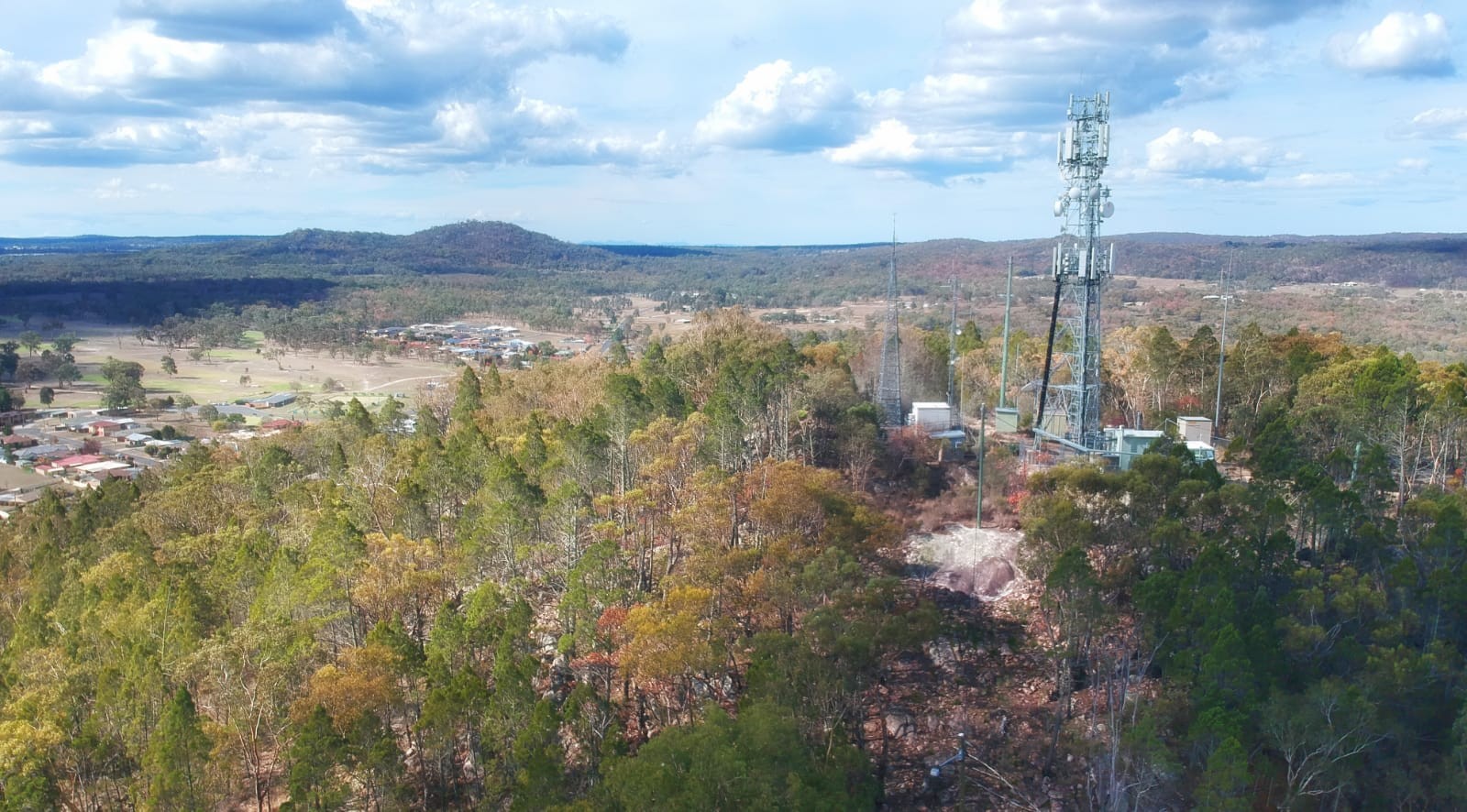
This is especially important at sites that support community safety. Think of communications huts, radio repeater sites, and monitoring equipment. If those drop, situational awareness drops. V-Trail gives the DNSP a way to hold those services online even if the surrounding infrastructure is compromised.
2. Power for emergency staging areas
In a fire event you might have a staging point set up in a regional town or rural community. That location could be used by fire crews, council response teams, or essential services. These sites need lighting, radios, cooling, charging, and in some cases refrigeration for medical stock.
If the wider network is unstable or offline, V-Trail can supply that base directly. The unit is designed to run quietly compared to a standard portable generator, which makes it better for continuous operation in populated or high stress environments.
3. Support for communications and public safety radio networks
Loss of comms is one of the biggest risks in disaster response. Public safety radio networks, mobile towers, telemetry, and SCADA equipment all rely on consistent DC and AC supply.
Telecommunications and public safety organisations cannot always wait to rebuild overhead lines. They need continuity. V-Trail can sit in front of a cabinet, directly feed the load, and keep communications live so first responders and communities can stay connected, safe and informed.
Why V-Trail is different from traditional generator trailers
There are plenty of generator trailers in Australia. So why are DNSPs now building disaster response plans around V-Trail instead of only bringing diesel?
Key reasons:
Speed of deployment
V-Trail is engineered for quick setup by a single operator. The solar array and components are built with assisted lifting and controlled movement so you are not fighting with heavy frames in high heat or poor terrain. You roll in, stabilise the unit, deploy, and energise.
In a fire situation, this is critical. You do not always have a full crew available. You need something one person can operate safely and repeatably.
Cleaner, quieter operation
Because V-Trail is based on a Stand Alone Power System design, it can supply power using stored energy and solar harvest. That means it can run quietly for long periods. This is safer in communication sites and community recovery zones, where constant generator noise is not acceptable.
Quieter operation also reduces fatigue for response teams who are already dealing with high stress conditions.
Lower refuel dependency
In many fire events, road access is limited. Getting fuel trucks through on a repeating cycle is not always possible. V-Trail reduces this dependence because the unit is not only relying on diesel. Less refuel activity means lower operating cost, lower manual workload, and less time in the fireground.
Integrated monitoring and control
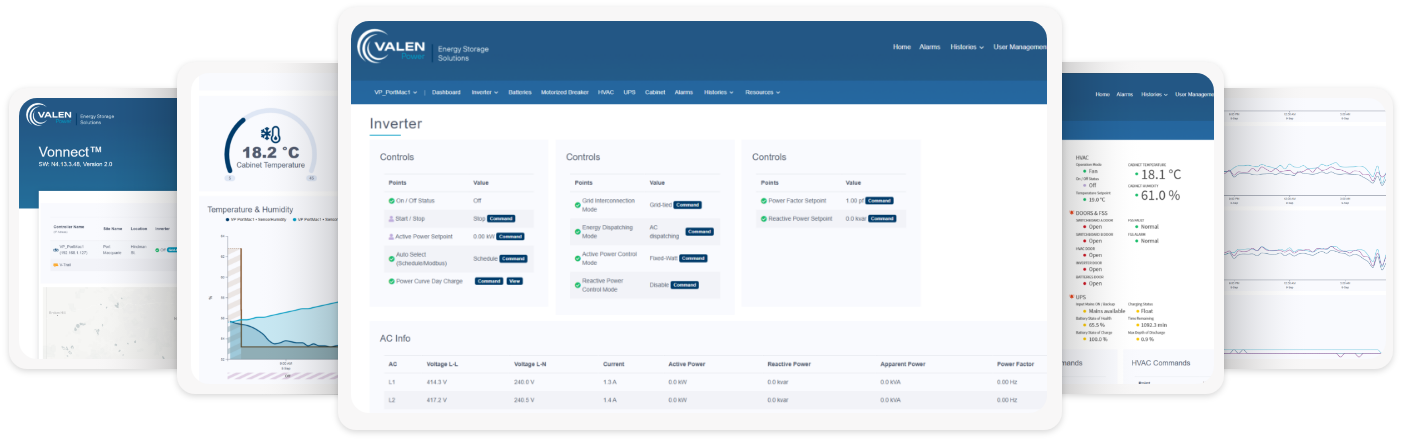
V-Trail is designed as an engineered system, not just a trailer with a genset on it. That means DNSPs can monitor performance, runtime, and load behaviour. Visibility matters. You cannot improve response planning if you cannot see what your assets are doing in the field.



Keeping communities connected, safe and resilient
One of the core responsibilities of network operators is to protect public safety and keep communities connected. During bushfire season, that promise is tested.
Here is the reality. Even with strong vegetation management, even with ongoing hardening of the network, there will still be sites where infrastructure is damaged faster than it can be repaired. The question is not “can we stop every outage” but “how fast can we restore essential power when the outage happens.”
This is where V-Trail changes the conversation. Instead of waiting for permanent rebuild before getting critical services back online, the network operator can stage V-Trail units ahead of forecast risk zones. When an asset is hit, a field team can tow V-Trail in, deploy on site, and restore essential power that same day.
That approach does three very important things for communities.
- It keeps communications on air, which helps people receive warnings, updates, evacuation notices, and recovery info.
- It keeps critical local assets running, such as telemetry, monitoring, lighting, and temporary base operations.
- It shortens outage impact for priority customers, which supports safety, welfare, and recovery.
In short, V-Trail is not just an operational convenience. It is a direct resilience measure.
How V-Trail supports future bushfire strategy
For network operators, bushfire planning is no longer just seasonal. It is strategic. That means investing in assets that are flexible, relocatable, and capable of supporting both planned work and emergency work.
V-Trail can be used in three main ways outside of live fire events.
- Planned maintenance
When a section of line is being rebuilt, V-Trail can provide temporary supply to a critical site while the feeder is isolated. This lowers pressure on outage windows and improves service continuity.
- Remote project work
In many parts of regional Australia, establishing temporary power for works crews is a project all on its own. V-Trail acts as a self contained power source for tools, lighting, comms, and equipment without the need to arrange local generation or run long temporary cabling.
- Network hardening trials
Network operators are increasingly trialling Stand Alone Power Systems to replace long rural spurs that are difficult and expensive to maintain. A mobile SAPS like V-Trail can be used to validate load profiles and runtime expectations before permanent SAPS assets are installed.
In other words, V-Trail is not a one use emergency trailer that only comes out in summer. It is a working asset that delivers value throughout the year, and then becomes a frontline resilience unit when the fire risk returns.
Final note for asset managers and network planners
If you are responsible for network continuity, field operations, or disaster recovery planning, you already know the pressure that comes with high fire danger periods in Australia.
V-Trail gives you a practical tool. It is fast to deploy. It is built for field conditions. It keeps critical sites online while you rebuild permanent infrastructure. Most importantly, it helps your organisation keep communities connected, safe and resilient when it matters most.
If you would like to learn more about how V-Trail can support your bushfire readiness plan, talk to the Valen Power team. We can walk you through deployment use cases for DNSPs, emergency services, and public safety communications, and help you assess how V-Trail fits into your current response strategy.