Across Australia, utility infrastructure is built to last. Substations, rail signalling huts, telecom shelters, and pumping stations are designed for decades of service, often in remote and demanding environments.
Inside many of these sites sits a component that has traditionally been treated as short-term: the battery.
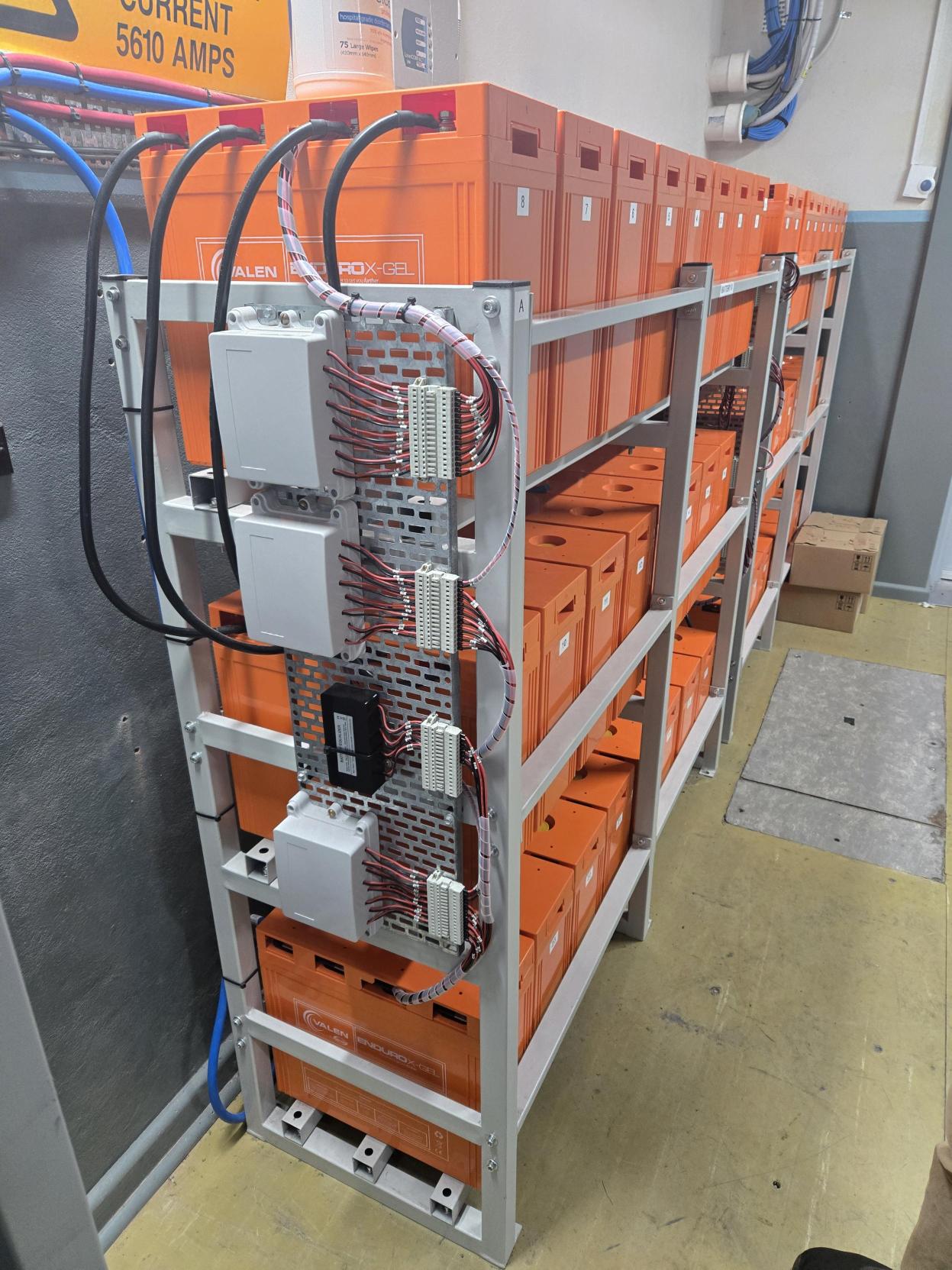
For years, batteries have been viewed as consumables. Install them, monitor them, replace them when performance drops. That model made sense when batteries were secondary support systems. Today, they are central to continuity. They carry backup loads, support monitoring and control systems, and in some cases keep essential services operating during grid disruption.
When a battery becomes critical to uptime, its lifecycle becomes a strategic decision.
The Reality of Replacement in the Field
On paper, replacing a battery can look straightforward.
In the field, it rarely is.
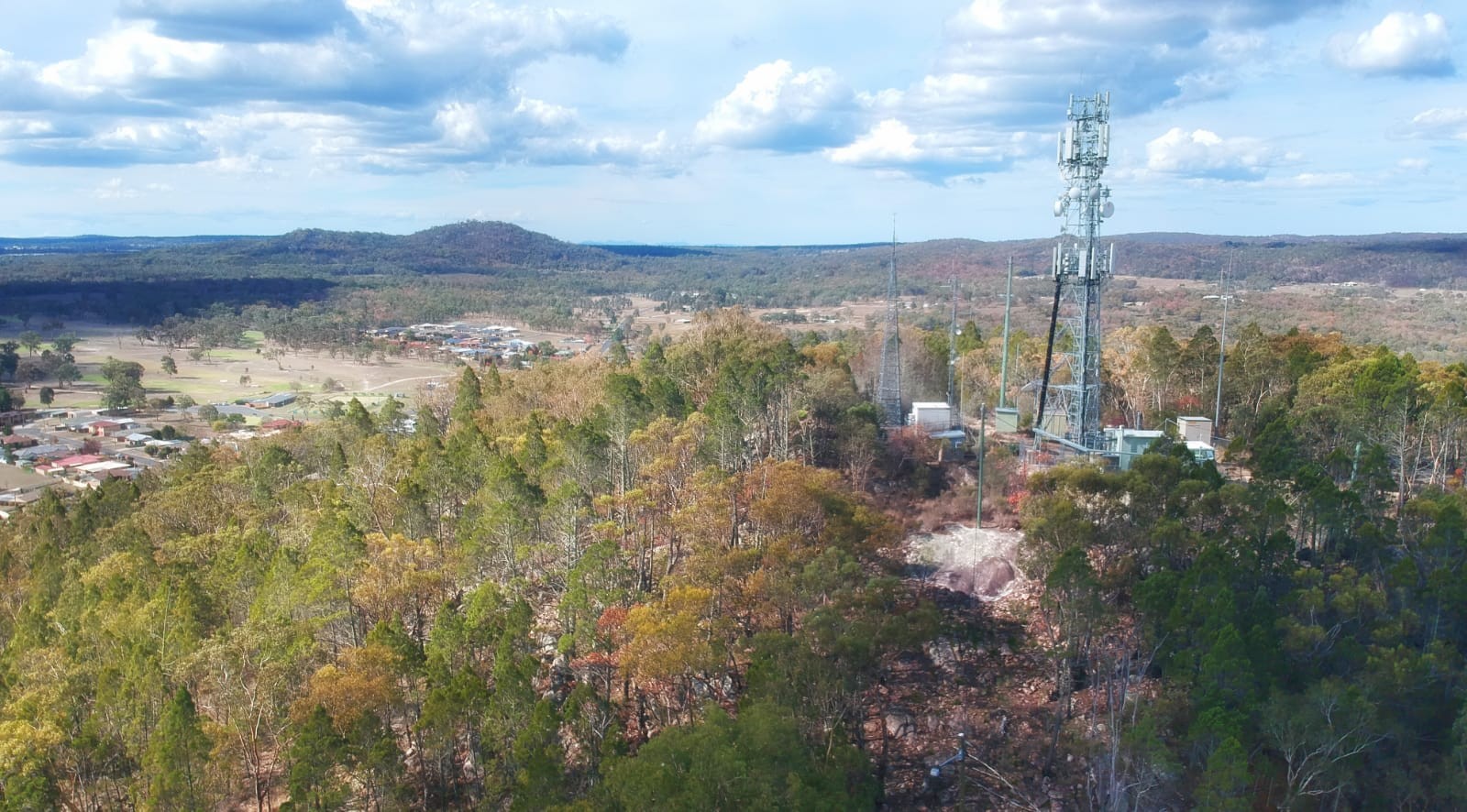
For a metropolitan site, replacement might mean a planned outage window and a short service call. For remote infrastructure — a rail corridor in regional New South Wales, a telecom tower in far north Queensland, or a pumping station in remote Western Australia — replacement involves travel, mobilisation, safety planning, and potential service disruption.
Each site visit carries cost. More importantly, it carries operational risk.
If a battery chemistry requires replacement every few years under high heat and deep cycling, those visits add up across the life of the asset. Over a 20-year horizon, the difference between three interventions and six interventions is significant.
This is where solid state technology may offer an alternative worth considering.
Why Lifecycle Matters in Australian Conditions
Australia presents demanding operating conditions for energy systems.
Many critical sites operate in ambient temperatures above 40°C. Outdoor enclosures absorb heat. Hybrid and off-grid systems can cycle daily at high depth of discharge.
Traditional lithium-ion batteries use a liquid electrolyte. Over time, repeated cycling and elevated temperatures can accelerate internal degradation. Electrolyte breakdown and dendrite formation contribute to capacity loss and shortened service life.
Solid state batteries replace the liquid electrolyte with a solid electrolyte. In theory and in early deployments, this improves thermal stability and reduces some of the internal mechanisms that drive early degradation.
Some solid state chemistries are demonstrating up to 10,000 cycles at 80 percent depth of discharge under controlled conditions. In the right applications, that level of cycle life could translate into longer service intervals.
For infrastructure operators, that potential reduction in replacements is what makes the technology worth evaluating.
From Short-Term Component to Long-Term Asset
Battery procurement has often focused on upfront metrics such as cost per kilowatt hour, nominal capacity, and warranty length.
Those factors still matter. But for asset managers responsible for long-term performance, the more important questions are different.
How stable is the degradation curve over time?
How often will this site require intervention?
How predictable is the service life in real conditions?
Solid state batteries may support a longer planning horizon where operating conditions align with the strengths of the chemistry. Instead of budgeting for more frequent replacement cycles driven by heat and cycling stress, asset owners could model extended service intervals.
For remote utilities, even a modest reduction in intervention frequency can have meaningful impact — fewer truck rolls, lower cumulative maintenance costs, and reduced exposure of technicians to high-temperature or hazardous environments.
The key is determining where the technology genuinely delivers lifecycle benefit, rather than assuming it will suit every site.
Safety and Longevity Are Linked
Lifecycle performance cannot be separated from safety.
Solid state batteries eliminate the flammable liquid electrolyte used in conventional lithium systems. That design change can reduce the risk profile associated with thermal runaway.
In substations, rail signalling rooms, and telecom exchanges, reducing fire risk is not a secondary benefit. It is central to maintaining operational continuity.
Longer service life, where achieved, also reduces the number of physical interventions. Fewer replacements mean fewer isolation procedures, fewer manual handling events, and fewer hours spent working in confined or extreme conditions.
These potential safety gains are part of the broader evaluation process when considering any new battery technology.
A Measured Approach to Adoption
Solid state battery technology is advancing, but it is still emerging in many infrastructure applications.
Cost, scalability, and high-discharge performance vary across chemistries. Certain high-surge applications require careful validation to ensure discharge capability meets operational requirements. Temperature performance must be assessed under real Australian conditions, not just laboratory data.
For that reason, solid state should be viewed as a possible addition to the toolkit — not an automatic replacement for established lithium or lead-acid systems.
A measured approach involves pilot deployments, performance monitoring, and side-by-side comparison against existing technologies. In some cases, hybrid systems may provide the right balance between proven performance and emerging capability.
The decision should be driven by data, site conditions, and long-term asset strategy.
Planning for Decades, Not Years
Utilities and critical infrastructure operators are under pressure to deliver resilience while managing cost and regulatory scrutiny.
Battery systems are no longer peripheral components. They are central to backup power, network stability, and service continuity.
Solid state batteries could play a role in extending cycle life, improving thermal stability, and reducing replacement frequency in specific applications. In remote and high-temperature environments, those characteristics may offer tangible lifecycle benefits.
The question is not whether solid state is the answer in every case. The question is where it makes practical sense.
For asset owners planning on 20- to 30-year horizons, exploring technologies that better align battery lifespan with infrastructure lifespan is a responsible step.
In critical infrastructure, reliability comes from careful evaluation, steady implementation, and long-term support — not from adopting technology before it is ready.
Share
Related Articles
The main job of the Energy Management System is to make sure everytdiscussed and defined during Valen’s design stage.