Executive Summary
Natural disasters are placing increasing pressure on Australia’s critical communications infrastructure. Bushfires, floods, cyclones, and severe storms routinely disrupt electricity supply, particularly in regional and remote areas where access is limited and restoration timelines are extended.
When power is lost, communications are among the first services to fail and the hardest to restore. Mobile towers, radio repeaters, temporary command centres, and emergency coordination systems all depend on reliable electricity. Restoring power is therefore not simply an energy challenge — it is a prerequisite for effective disaster response and recovery.
While generation capacity is generally available, access and deployment remain the primary constraints. This paper examines why traditional emergency power approaches fall short in disaster environments and outlines how deployable, mobility-first power systems can materially improve communications resilience.
1. When disasters hit, power is lost where access is hardest
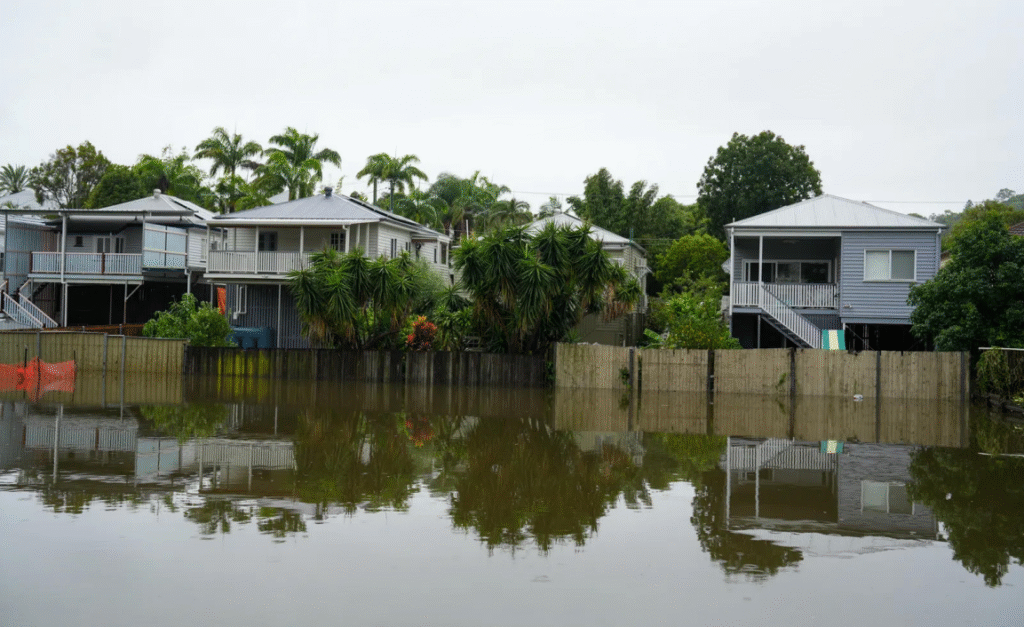
Australia’s disaster profile is changing. Extreme weather events are becoming more frequent, affecting larger geographic areas and lasting longer.
Since January 2025, Australia has averaged one natural disaster per week — more than 50 in total. Rural communities face extra barriers with limited services, stigma, and support often short-lived. All disaster-affected regional and remote communities experienced prolonged multi-day outages — cumulatively resulting in hundreds of thousands of customer-out hours during major disaster events.
For critical communications, the impact is immediate. Loss of power rapidly degrades mobile coverage, emergency radio networks, and coordination capability. Backup systems provide limited endurance and are often dependent on fuel logistics that may be disrupted during disasters.
In this context, communications resilience is inseparable from the ability to restore power quickly and safely — particularly in hard-to-reach locations.
2. Where Current Emergency Power Models Break Down
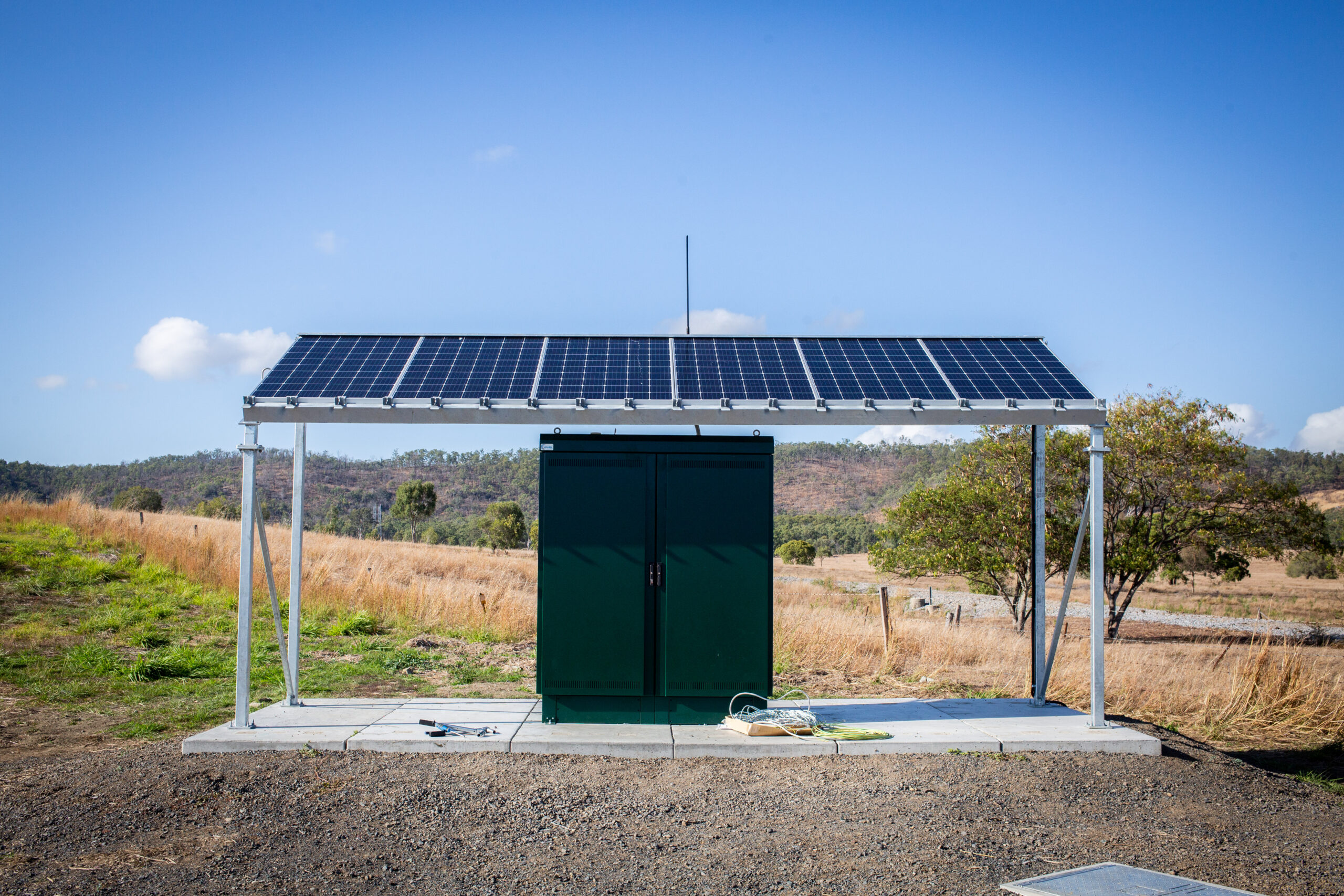
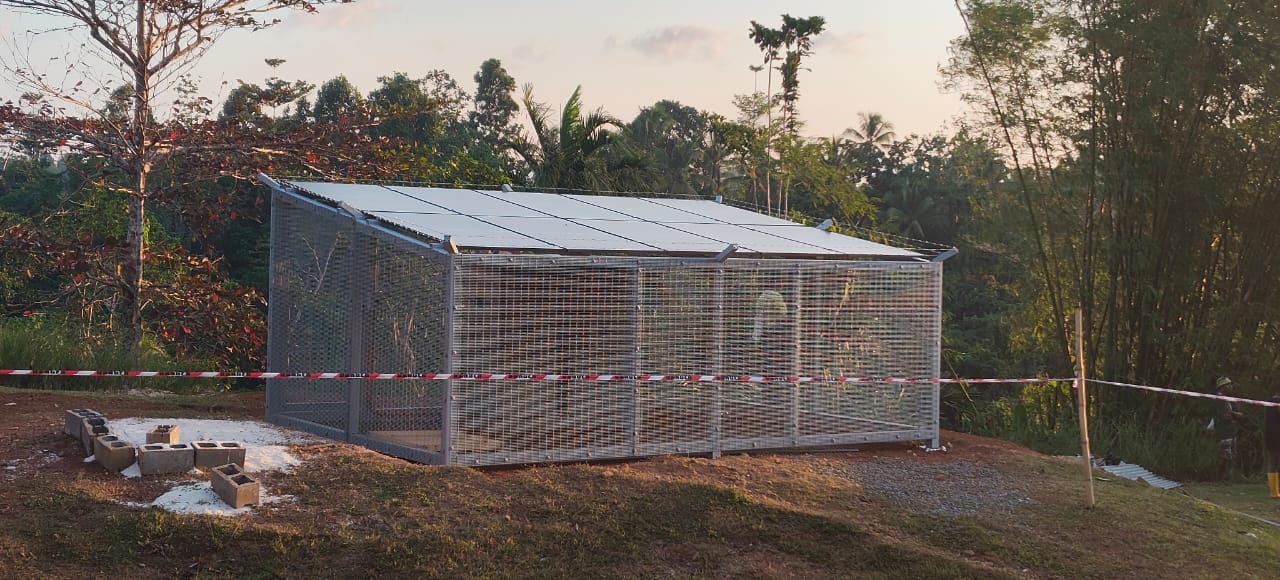
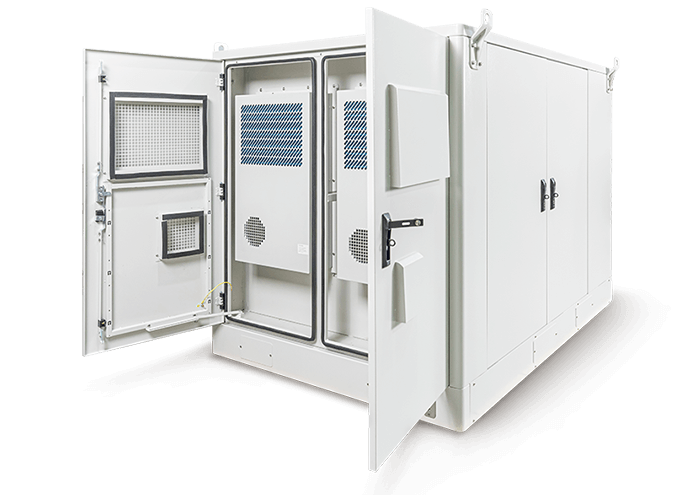
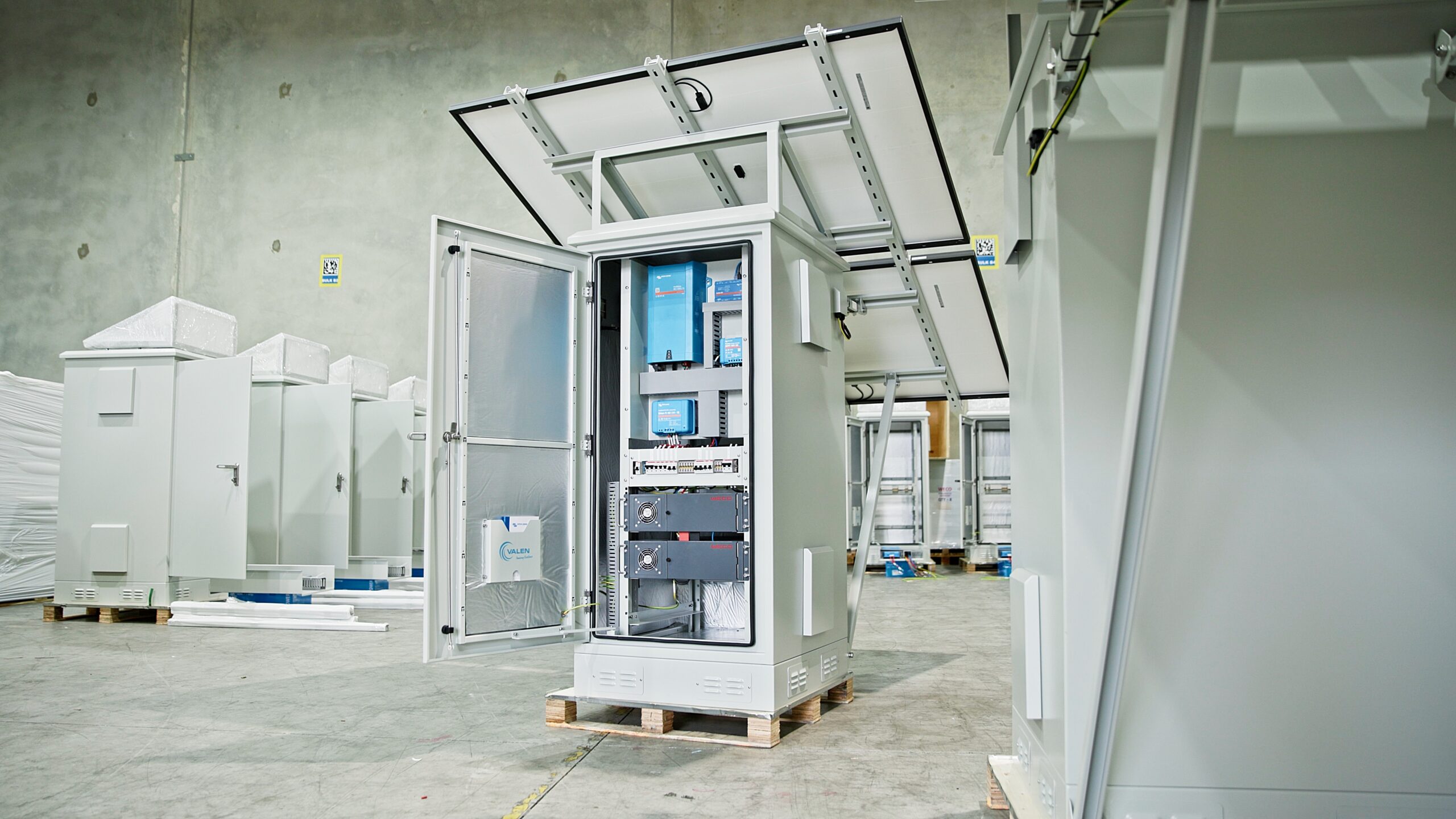
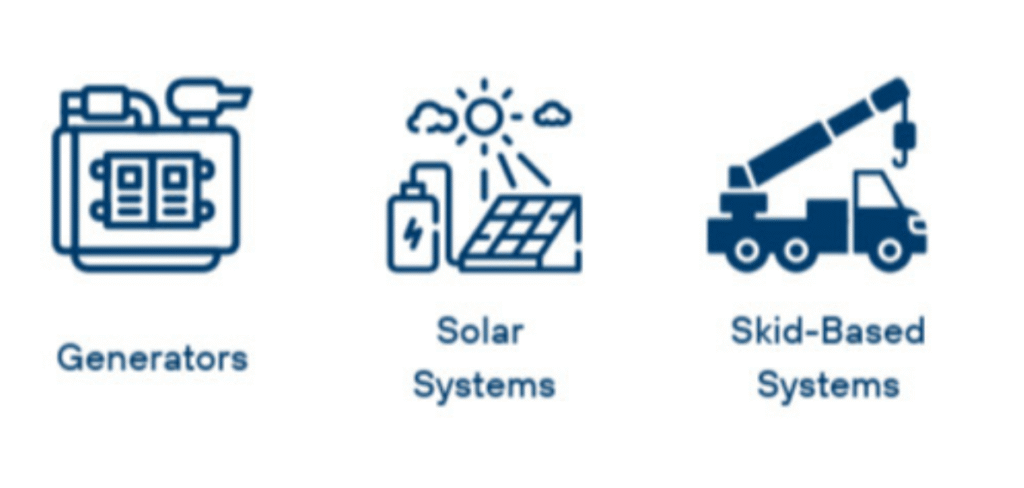
Emergency response teams typically rely on trailer-mounted generators, solar or hybrid skids, and fixed backup systems. While effective under planned conditions, these approaches introduce significant limitations during disasters.
Skid-mounted systems often require forklifts or cranes to unload and position, which are rarely available or able to reach damaged roads, narrow access tracks, or unstable terrain. In many disaster-affected areas, suitable ground conditions do not exist, preventing safe installation near the sites that need power most.
Deployment complexity further slows response. Many systems require multiple personnel, site preparation, earthing, and temporary footings before energisation. Each additional step increases setup time and exposes crews to higher work health and safety risk in unstable environments. Generator-only solutions also create an ongoing refuelling burden, placing further strain on logistics during prolonged events.
For communications networks, these constraints mean that some towers, repeater sites, and temporary assets remain offline not due to a lack of generation capacity, but because power cannot be safely or practically deployed.
3. The Real Constraint: Reach, Not Capacity
In post-disaster environments, restoration outcomes are determined less by how much power can be generated and more by how quickly and safely power can be delivered to site.
Disaster conditions are characterised by unpredictable access, compressed restoration timelines, and elevated risk for field crews. In this context, mobility, deployability, and simplicity become the primary determinants of success.
For critical communications, restoring reach directly determines whether coverage can be re-established and sustained as conditions evolve.
4. Why Deployable Power Matters for Communications
Communications infrastructure requires power that is reliable, flexible, and able to move as response priorities change. During disasters, the ability to support variable loads and redeploy quickly is often as important as capacity itself.
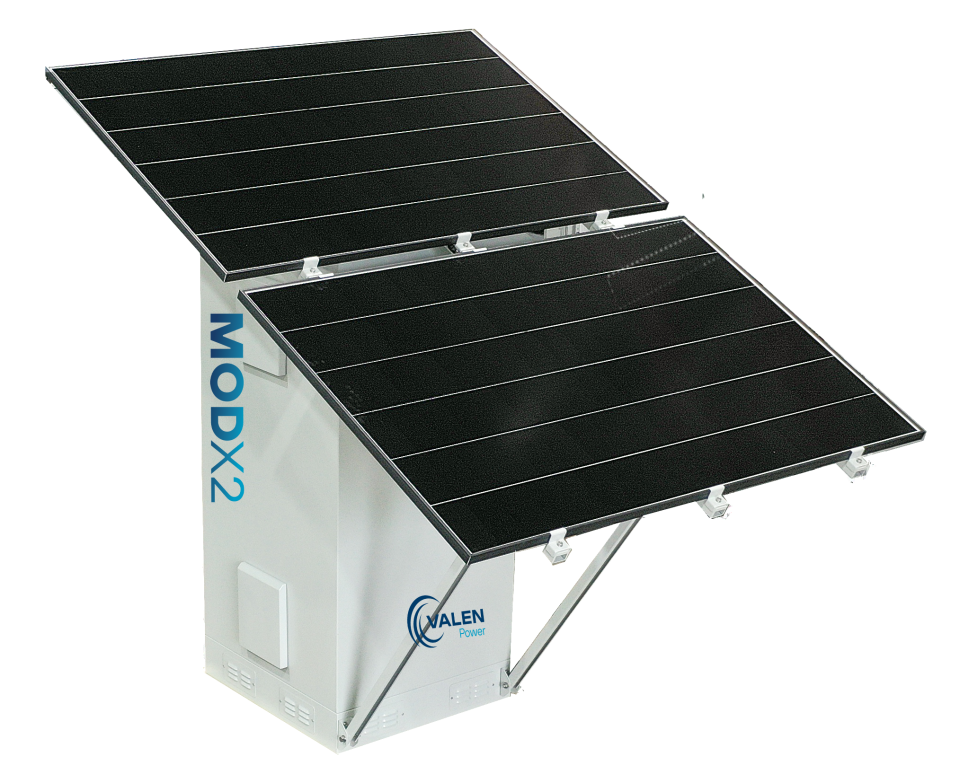
Deployable power systems that can be towed by standard vehicles, set up quickly, and operate without site preparation enable faster restoration and safer operations. They reduce reliance on fuel-only solutions, lower work health and safety exposure, and extend response reach into locations that are otherwise difficult to access.
This capability is critical for restoring regional mobile coverage, supporting emergency radio networks, and powering temporary command and coordination sites when infrastructure is disrupted.
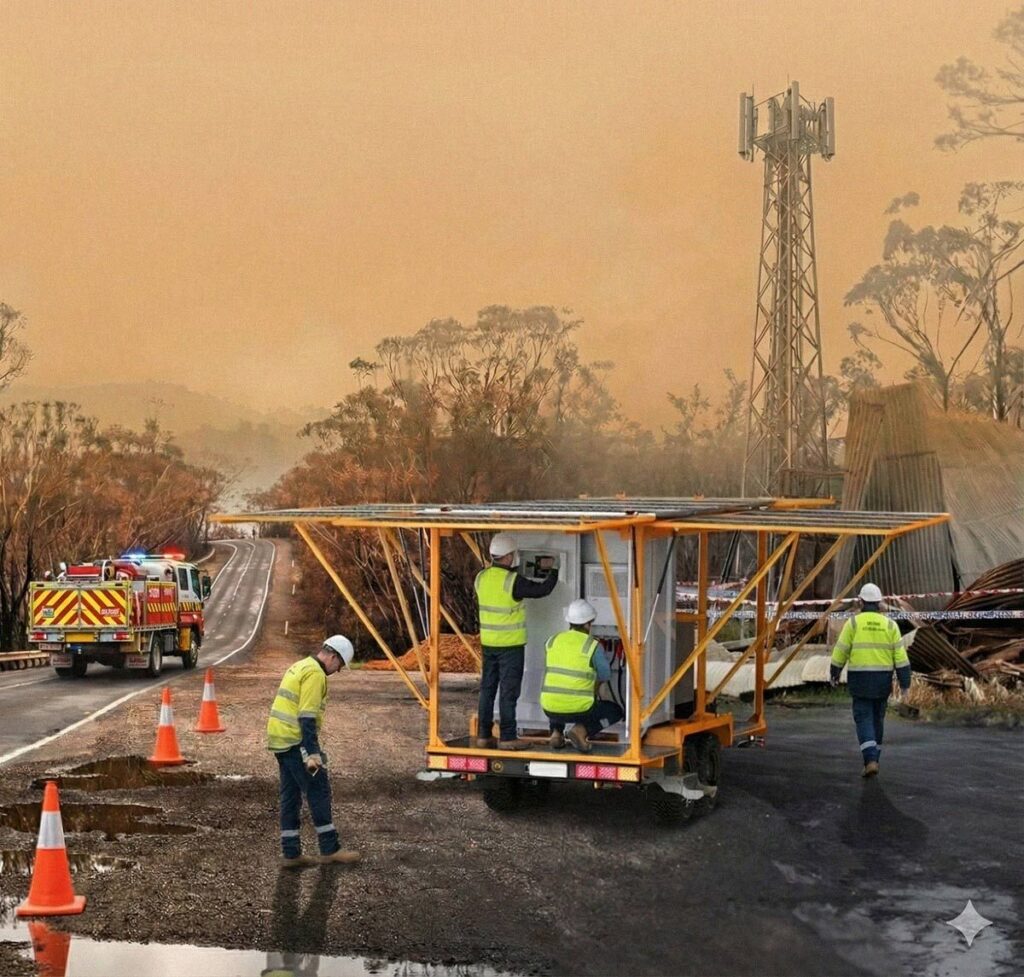
5. Restoring Reach with Deployable Power
In disaster environments, access is often the limiting factor in power restoration. Equipment must be able to reach damaged sites, deploy quickly, and operate independently in unpredictable conditions.
V-Trail has been developed to meet these requirements. It is the first towable, hybrid, standalone power system of its kind in Australia, designed specifically for deployment in difficult and degraded environments. Built on an engineered off-road trailer with a gross tare weight under 3,500 kg, V-Trail can be towed by standard vehicles and reach locations beyond sealed roads and established access routes.
The system integrates an 8.16 kWp solar array with battery storage and a 15 kW generator, delivering reliable, utility-grade power without reliance on continuous refuelling. Its standalone design enables rapid deployment without site preparation, reducing setup time and lowering work health and safety exposure for crews operating in unstable post-disaster conditions.
By combining mobility, hybrid resilience, and practical deployability, V-Trail extends power restoration into locations that traditional solutions struggle to reach during natural disasters.
Conclusion: Restoring Reach Restores Resilience
As natural disasters increase in scale and complexity, resilience can no longer rely solely on fixed infrastructure and conventional emergency power approaches. For critical communications, the ability to deliver power quickly, safely, and wherever it is needed has become a foundational capability.
V-Trail demonstrates how a mobility-first, deployable power system can remove access constraints and extend response reach during disasters. By enabling power restoration in hard-to-reach locations, it supports faster re-establishment of communications and improves outcomes for communities when they are most vulnerable.
In disaster response, restoring power enables communications.
And restoring reach makes both possible.
About Valen Power
Valen Power partners with utilities, government, and critical infrastructure operators to deliver energy systems designed for real-world conditions.
We focus on long-term reliability, safety, and operational outcomes to help keep communities connected, safe, and resilient.