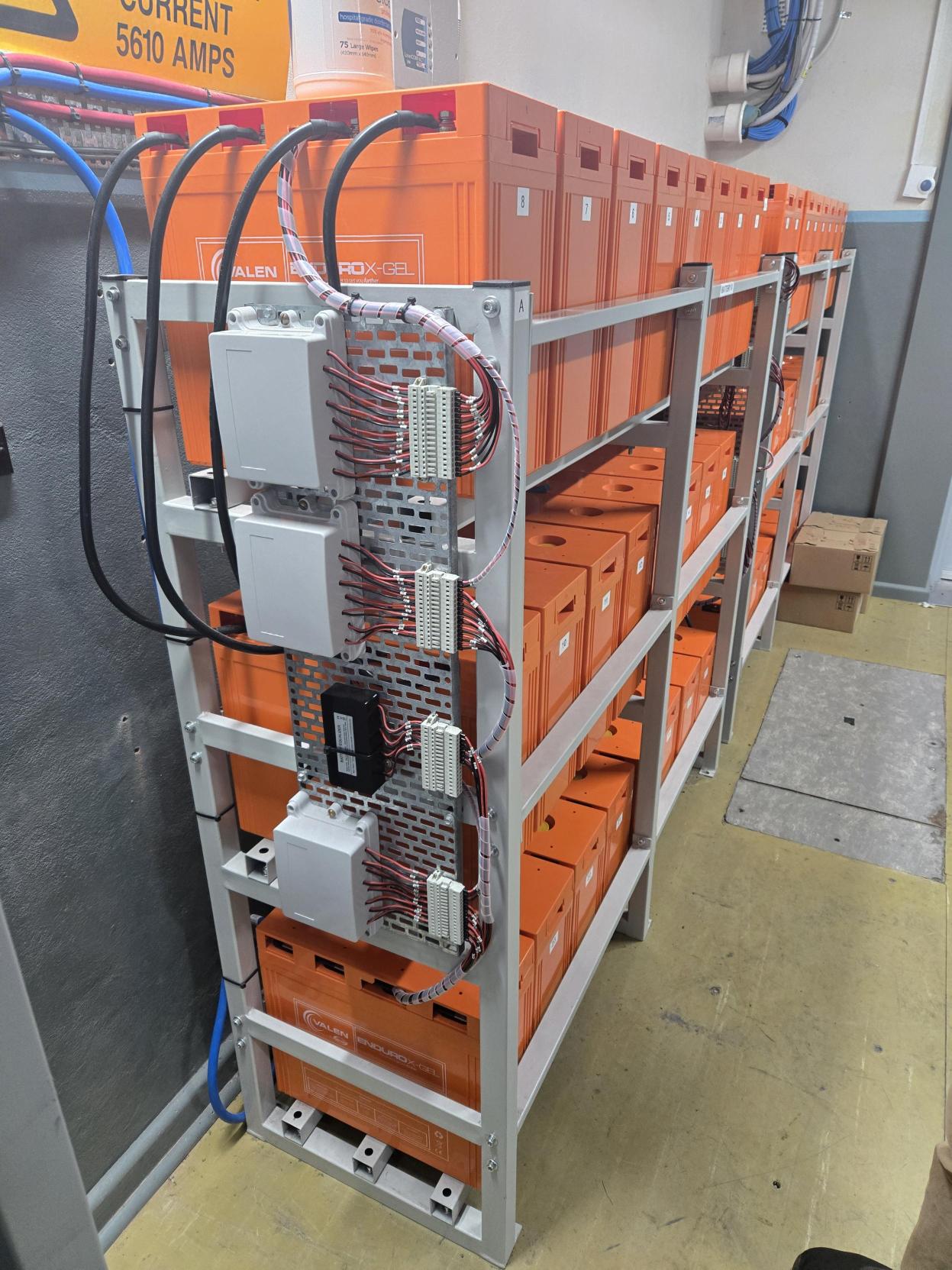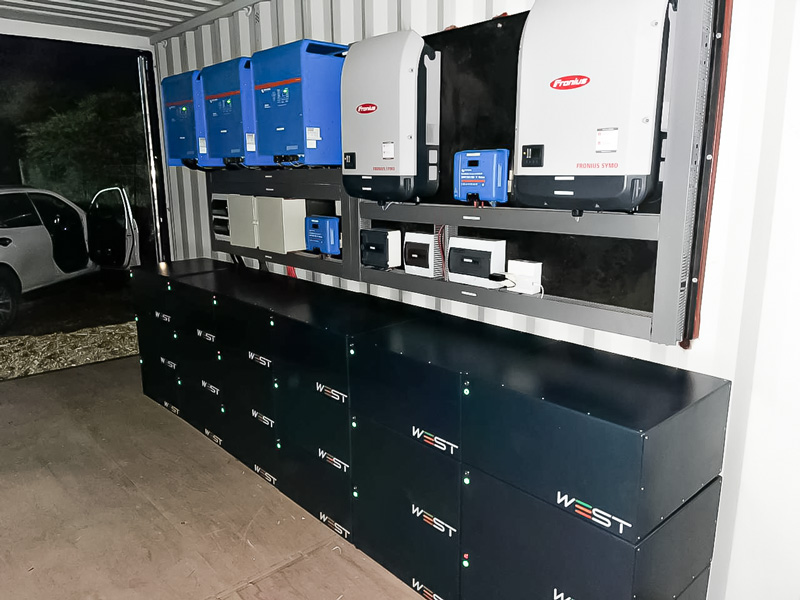
At Valen Power, our purpose is to support energy systems that must perform reliably over many years — from telecommunications and grid backup to renewables and microgrids. Part of that mission is selecting and applying the right energy storage technology for each application.
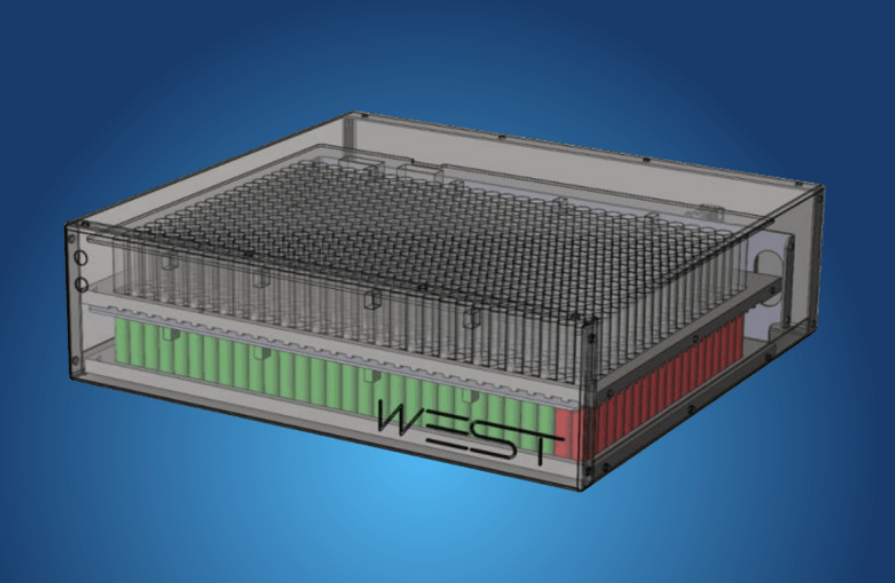
Hybrid supercapacitors are one such technology. Rather than storing energy chemically like a battery, they store energy electrostatically — offering very rapid charge and discharge and extremely long cycle life compared to conventional chemistries.
The Valen Summit Series hybrid supercapacitors embody this approach. These modular energy storage units are designed for sustained performance over decades, with features that matter in real-world deployments:
- Minimal degradation over their lifetime, meaning the capacity does not fade in the way battery capacity typically does.
- Fast charging and discharge performance, useful where power must be delivered or absorbed quickly.
- Wide operating temperature range (−40 °C to +60 °C) without the need for climate control.
- High cycle life (practically unlimited compared to traditional batteries).
- High overall round-trip efficiency.
- Modular construction and in-field serviceability for sustained asset management.
These features make hybrid supercapacitors well suited to power conditioning, peak response, UPS systems, telecom backup and other applications where power must be available reliably and repeatedly with limited long-term degradation.
How This Technology Differs from LiFePO₄ Batteries
Lithium iron phosphate (LiFePO₄, also called LFP) batteries are among the most common utility-grade electrochemical storage technologies deployed today. They are valued for safety, stability and relatively long life for a battery.
Here’s how they compare:
Energy vs Power
- LiFePO₄ batteries store energy chemically. They have high energy density, meaning they can store a lot of electricity per unit weight or volume, making them suitable for sustained discharge over hours.
- Supercapacitors store energy electrostatically. They deliver very high power instantaneously — they can absorb or release energy quickly but do not hold as much total energy for long, sustained discharge.
In practical terms: where LiFePO₄ batteries are used for long-duration backup or bulk energy shifts — such as storing solar energy through the evening — supercapacitors are better for handling short-duration power demands, smoothing transients, and delivering bursts of power without fatigue.
Lifespan and Degradation
LiFePO₄ batteries degrade gradually with each charge-discharge cycle. Over thousands of cycles, useful capacity declines, which means planned replacement or diminishing performance over time.
By contrast, hybrid supercapacitors are designed for negligible degradation even after very large numbers of cycles — offering a lifetime measured in decades rather than fulfillment of cycle limits. This difference improves reliability and lowers lifecycle maintenance burdens for installations where repeated cycling is normal.
Thermal and Operational Stability
Safety and consistent operation across a wide range of conditions matter for critical infrastructure:
- LiFePO₄ batteries are inherently stable compared to other lithium chemistries, but they still rely on careful thermal management and monitoring.
- Hybrid supercapacitors naturally tolerate wide temperature spans without requiring heating or cooling loads, simplifying system design and operation.
This robustness supports deployments in remote or hard-to-service environments where simplicity and reliability are priorities.
Choosing the Right Technology for the Right Purpose
Neither technology is universally “better” — they are complementary:
- LiFePO₄ systems are well suited for applications that need high energy storage over extended periods — for example, daily cycling with large kilowatt-hours of storage.
- Hybrid supercapacitors excel where power delivery, longevity, cycle life and rapid response are paramount — such as stabilising power, backing up sensitive infrastructure, or managing short bursts of demand.
In some systems, a combination of both technologies — often referred to as a hybrid energy storage system (HESS) — can yield the most resilient performance overall, leveraging each technology’s strengths.
Conclusion
At Valen Power, our role is helping operators and engineers make informed choices around energy storage that align with the demands of utilities and critical infrastructure. Supercapacitors — particularly hybrid designs like the Summit Series — offer a powerful tool where durability, power, and consistent performance over decades are essential. Where sustained energy storage is critical, LiFePO₄ batteries provide established strength.
Understanding these differences and how each technology aligns with your operational goals ensures systems that keep communities connected, safe and resilient for the long term — the outcome we prioritise in every partnership.