Remote sites rarely fail because solar “does not work.” They fail because the system is underspecified, poorly integrated, hard to maintain, or impossible to troubleshoot at scale.
That is exactly the gap ModX1 is designed to close.
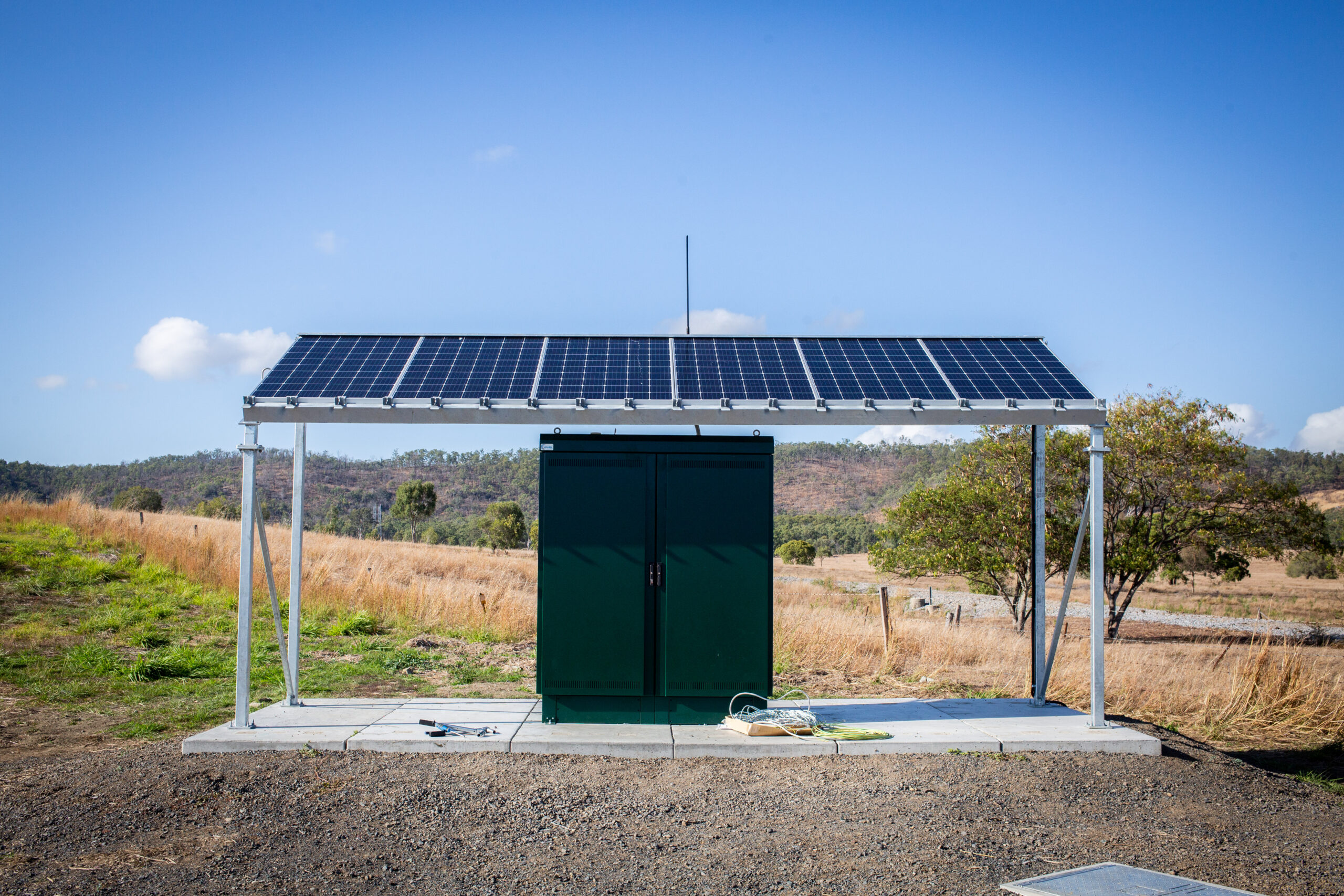
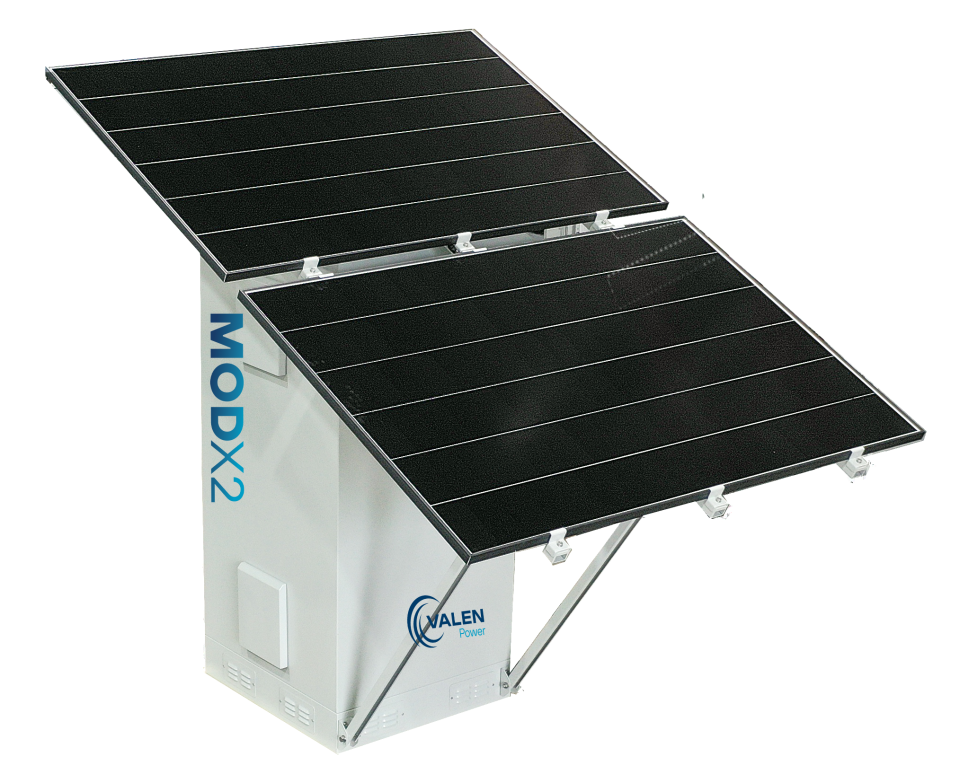
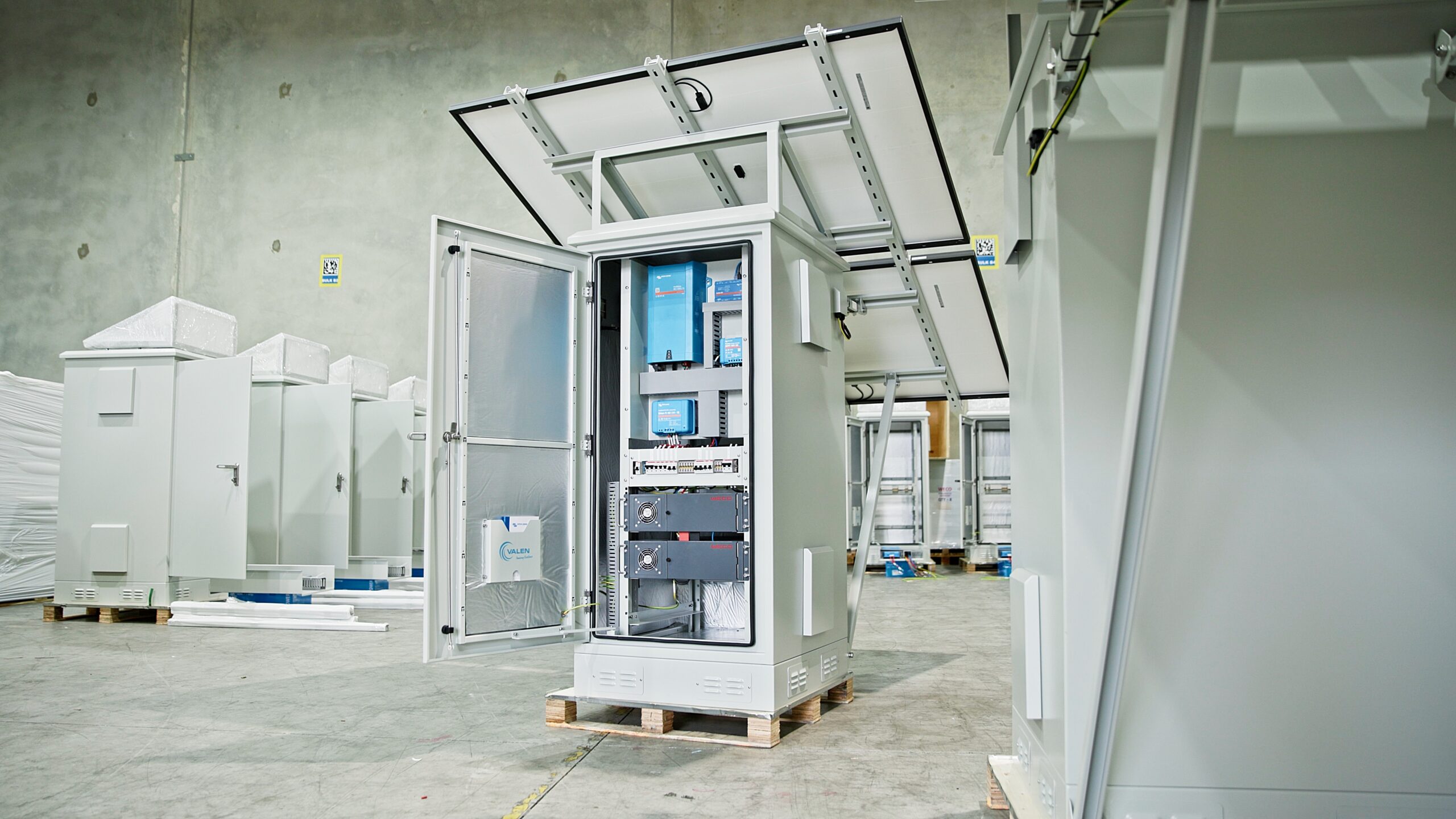
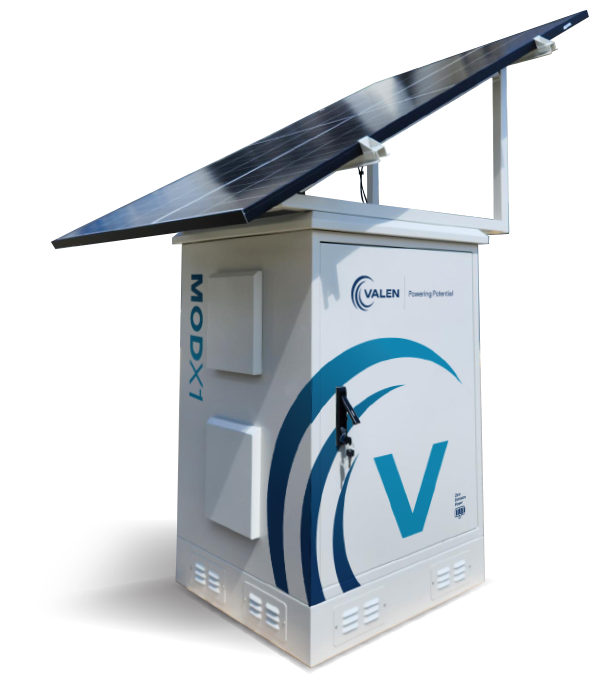
ModX1 is a compact solar and battery power system built for small-scale remote loads like environmental monitoring, SCADA, wireless networks, telemetry, and similar field deployments. It is supplied as an integrated, installation-ready cabinet, so you are not starting from a pile of parts, mismatched firmware, and site-built uncertainty.
From an engineering perspective, the real advantage is not “solar plus storage.” It is reduced integration risk and higher repeatability. When you are deploying dozens of cabinets across a region, the cost of variability becomes bigger than the cost of hardware.
ModX1 puts standardisation first: a defined cabinet form factor, a defined component stack, a defined monitoring pathway, a defined mounting approach, and a controlled set of options.
The Real Field Problems ModX1 Is Built to Solve
1) DIY remote cabinets cost more than the BOM suggests
A “from-scratch” build seems simple until you account for:
- compatibility checks between battery, MPPT, comms hardware, and monitoring
- panel mounting design and mechanical drawings
- cabinet layout, heat management, and cable routing
- documentation, FAT, commissioning, and handover packs
- repeatability across changing site conditions
ModX1 is positioned to remove those unknowns by shipping as a complete integrated system, not a kit. Valen highlights a factory-designed configuration intended to deploy without costly footings or custom builds.
2) Troubleshooting without visibility is a truck-roll machine
If your only “monitoring” is a battery voltage reading when someone visits the site, you are operating blind.
ModX1 is built around remote monitoring and visibility, with an integrated EMS and compatibility with Victron remote monitoring pathways (VRM platform).
That matters because the majority of operational cost sits in travel, not equipment replacement. The moment you can confirm state of charge trends, charge controller behaviour, and load patterns remotely, you start managing by exception instead of by routine.
3) Install complexity slows programs and increases risk
Valen’s design approach emphasises fast, low-complexity installation, including ground-level solar panel installation in the ModX1 workflow and simplified handling by keeping component weights under 80 kg for transportation and deployment.
This is not just convenience. It affects schedule risk, WHS planning, and the type of crews required on site.
Inside ModX1: What You Are Actually Deploying
At a high level, ModX1 integrates:
- solar generation
- MPPT charge control
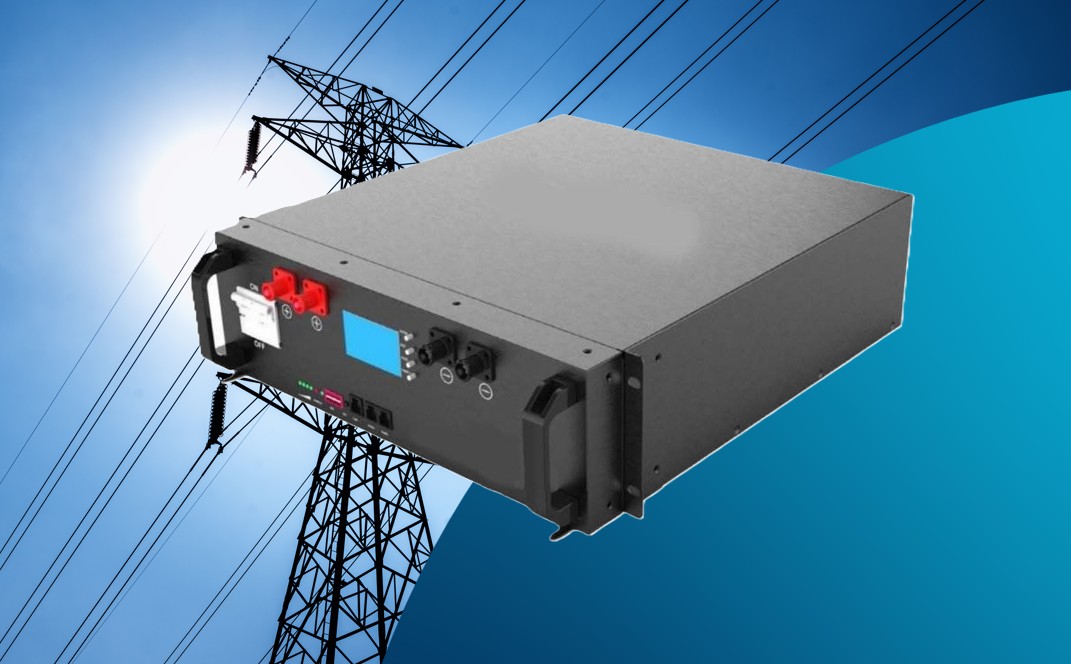
- LiFePO4 battery storage
- DC output rails (12V and 24V as standard, with AC optional)
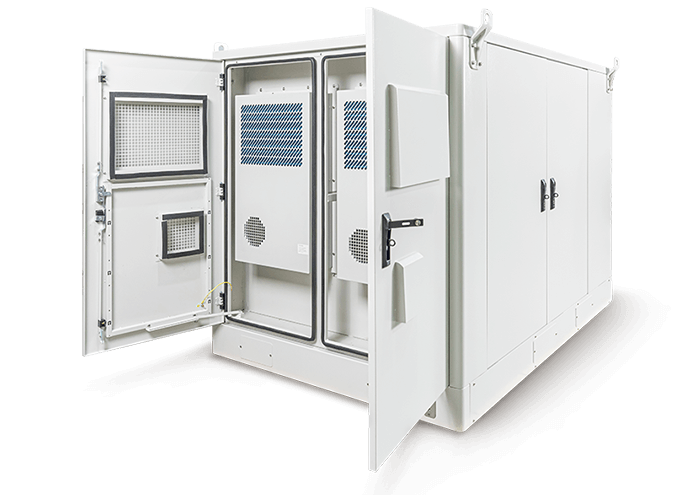
- cabinet enclosure and equipment space for customer loads
- monitoring pathways for remote management
Features include:
- ENLiFEN LiFePO4 battery technology, battery capacity ranging from 2.4 to 9.6 kWh,
- 12V or 24V DC outputs as standard (AC optional), and at least 10RU of equipment space.
- 440W solar capacity
- Monitoring via Ethernet or Bluetooth, including cloud and Modbus TCP/IP with the VRM platform, plus options such as SNMP, DNP3, and satellite.
These specs point to a specific design philosophy: ModX1 is meant to be repeatable, monitored, and capable of supporting real comms and control workloads, not just a token solar box.
How to Think About ModX1 in a Real Deployment
Step 1: Define the load properly
Remote loads are often “small” in watts, but unforgiving in uptime requirements. Start with:
- average load (W)
- peak load (W) and start-up surges if applicable
- duty cycle (continuous, periodic, event-driven)
- required availability (for example, “no more than X minutes downtime”)
- any seasonal or weather-driven behaviour
If you are powering comms, telemetry, PLCs, and cameras, your load profile can be continuous, but peaks can be unpredictable. The system must ride through poor solar days without draining below acceptable limits.
Step 2: Choose your DC architecture early
ModX1 supports 12V and 24V DC as standard, with an AC option available.
That choice impacts:
- cable losses and conductor sizing
- load compatibility
- protection and distribution
- monitoring approach
- battery configuration and safety
As a general rule, 24V tends to reduce current for the same power, which often helps with voltage drop and cable sizing on longer runs. Your load mix may dictate otherwise.
Step 3: Confirm monitoring and comms requirements
Monitoring is not “nice to have.” It is your operational control layer.
ModX1 supports remote monitoring and is described as integrated with Victron components and the Cerbo’s ability to connect to the Victron Remote Monitoring platform.
The specification sheet also notes cloud and Modbus TCP/IP pathways and options including SNMP, DNP3, and satellite.
For utilities, integrators, and networks, these interfaces matter because they determine how you integrate remote sites into existing SCADA and NOC workflows.
Where ModX1 Fits Best
Valen lists ModX1 use cases across communications, transportation monitoring, environmental monitoring, security, and oil and gas or water and wastewater instrumentation such as PLC and RTU systems.
In practical terms, ModX1 is a strong match when you need:
- fast deployment across multiple sites
- consistent equipment across a program of works
- remote monitoring to reduce site visits
- a cabinet form factor that includes customer equipment space
- proven integration rather than site-specific design every time
What “Good” Looks Like After Commissioning
A high-performing remote power deployment has predictable behaviour:
- battery state of charge trends are stable across seasons
- charge controller behaviour aligns with panel size and battery limits
- loads remain within designed rails and protection settings
- monitoring shows early warnings before outages happen
- field technicians spend less time diagnosing and more time upgrading
That is the operating standard ModX1 is designed to support: engineered repeatability plus visibility.
FAQ
Is ModX1 suitable for SCADA and telemetry?
Yes. Valen positions ModX1 for applications including telemetry, SCADA systems, and environmental monitoring.
What battery chemistry does ModX1 use?
ModX1 uses ENLiFEN LiFePO4 lithium battery technology.
What voltage outputs are available?
12V and 24V DC are standard, with AC optional.
The Line That Matters
If you are planning a program of remote sites, consistency is a hidden cost lever. Standardising on an integrated platform like ModX1 can reduce design time, shrink commissioning risk, and make operations far more predictable.
If you have already deployed ModX1, we genuinely love hearing what worked well in the field. A quick customer review helps other teams justify better remote power, and it helps us keep improving the system.