
As reliable energy storage becomes increasingly critical for communications, radio networks, and telecom operators, choosing the right battery solution can significantly impact performance, space, and long-term cost efficiency. Front terminal lithium batteries have emerged as a smarter, more efficient backup power solution, and understanding the difference between 12V and 48V models is key to selecting the right fit for your operation.
This comprehensive guide breaks down what front terminal lithium batteries are, compares 12V and 48V configurations, and explains why Valen Power’s solutions are the smart choice for scalable, high-performing power.
What Are Front Terminal Lithium Batteries?
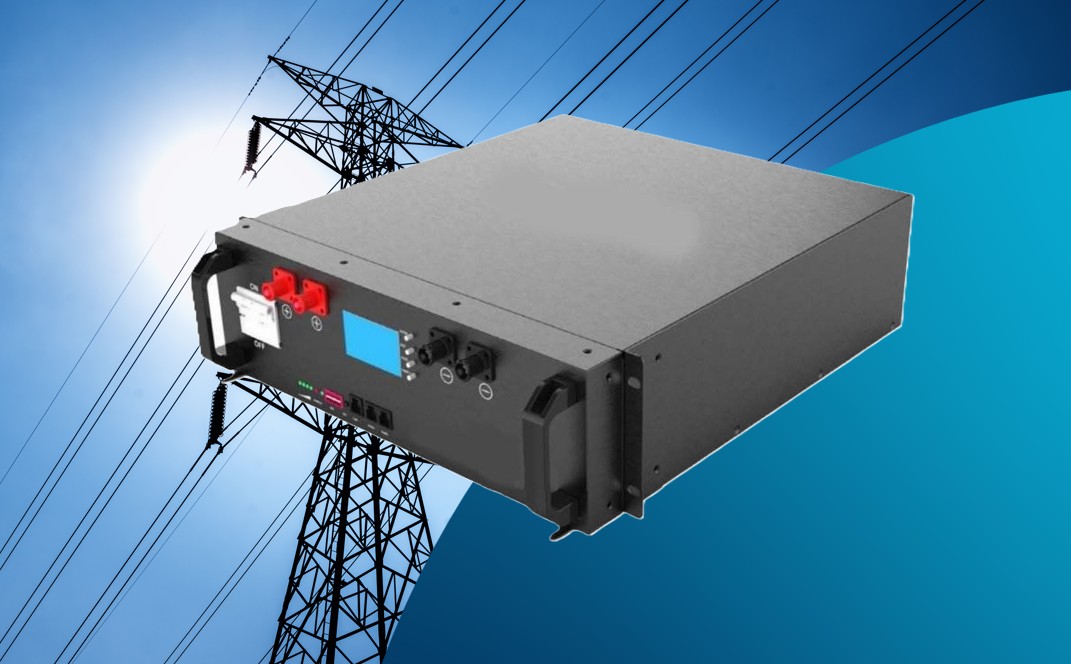
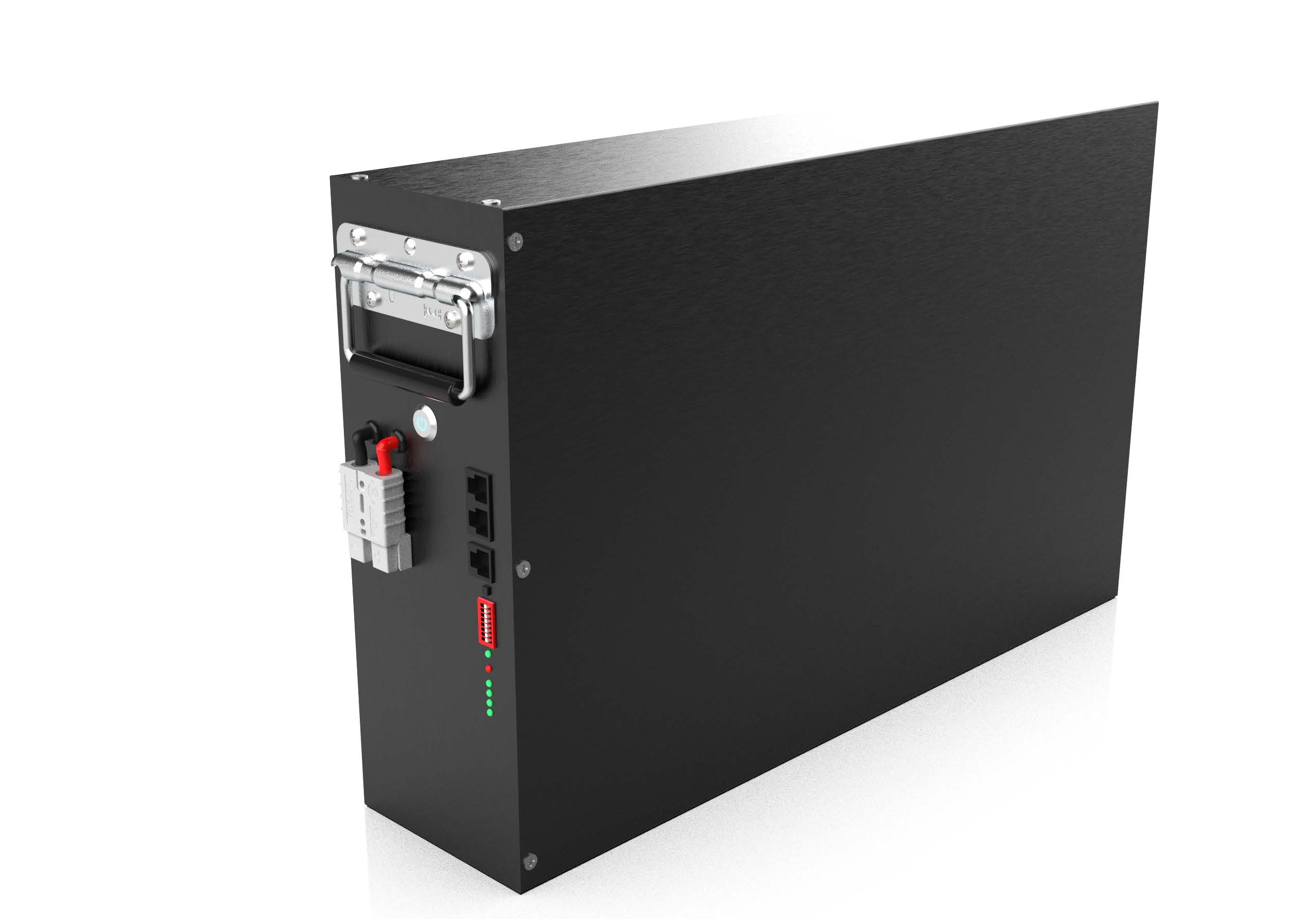
Front terminal lithium batteries are a form of advanced energy storage where the terminals (positive and negative connections) are located at the front of the battery case. This design allows for easier and safer installation, monitoring, and maintenance, especially in rack-mounted systems. It eliminates the need to access terminals from the top or side, making them ideal for space-constrained enclosures like telecom racks, communications cabinets, and remote node cabinets.
These batteries use lithium iron phosphate (LiFePO4) chemistry, known for high cycle life, thermal stability, and excellent charge retention over time. They offer significant advantages over traditional lead-acid or AGM batteries, particularly when uptime, footprint, and maintenance access are critical.
12V vs 48V Front Terminal Lithium: Core Differences
Front terminal lithium batteries are a form of advanced energy storage where the terminals (positive and negative connections) are located at the front of the battery case. This design allows for easier and safer installation, monitoring, and maintenance, especially in rack-mounted systems. It eliminates the need to access terminals from the top or side, making them ideal for space-constrained enclosures like telecom racks, communications cabinets, and remote node cabinets.
These batteries use lithium iron phosphate (LiFePO4) chemistry, known for high cycle life, thermal stability, and excellent charge retention over time. They offer significant advantages over traditional lead-acid or AGM batteries, particularly when uptime, footprint, and maintenance access are critical.
12V vs 48V Front Terminal Lithium: Core Differences
When selecting a front terminal lithium battery, voltage configuration plays a major role in system design and efficiency. Below is a side-by-side breakdown of the differences between 12V and 48V models.
| Feature | 12V Front Terminal Lithium | 48V Front Terminal Lithium |
| System Design | Requires more units in series | Fewer units needed per system |
| Footprint | Higher space requirements | More compact for equivalent energy |
| Wiring Complexity | More cables, more interconnections | Simplified installation and cabling |
| Installation Time | Slower due to multiple connections | Faster due to fewer connections |
| Energy Efficiency | Slightly lower due to higher resistance | Higher efficiency and power density |
| Maintenance Access | Still convenient with front terminals | Enhanced in larger rack systems |
| Cost Effectiveness | Lower entry cost | Better total cost of ownership |
| Application Flexibility | Ideal for small-scale or modular setups | Ideal for large-scale, high-demand setups |
When to Use 12V Front Terminal Lithium
12V front terminal lithium batteries are ideal when:
-
- Your system architecture is already designed for 12V increments
-
- Budget constraints require lower upfront costs
-
- You’re working with smaller enclosures or legacy 12V-based infrastructure
-
- The application needs flexibility to scale modularly over time
These units offer dependable performance and easy maintenance access, especially when used in configurations like 4x 12V in series to achieve a 48V system.
When to Use 48V Front Terminal Lithium
48V batteries are quickly becoming the new standard for modern backup systems due to:
-
- Fewer units needed per system, reducing weight, space, and installation time
-
- Higher system efficiency, with lower current flow and energy loss
-
- Simplified cabling, making setups cleaner and more reliable
Valen’s 48V FT Lithium batteries include built-in enhancements that make them even more suited for high-performance communications and telecom environments:
Direct Replacement with Increased Capacity
The 48V FT Lithium battery from Valen is designed with the same form factor as a 190Ah VRLA battery, making it a seamless drop-in replacement with zero infrastructure redesign. Despite its similar footprint, it delivers more than double the usable capacity, drastically reducing the number of units needed for equivalent output.
Improved Operational Efficiency
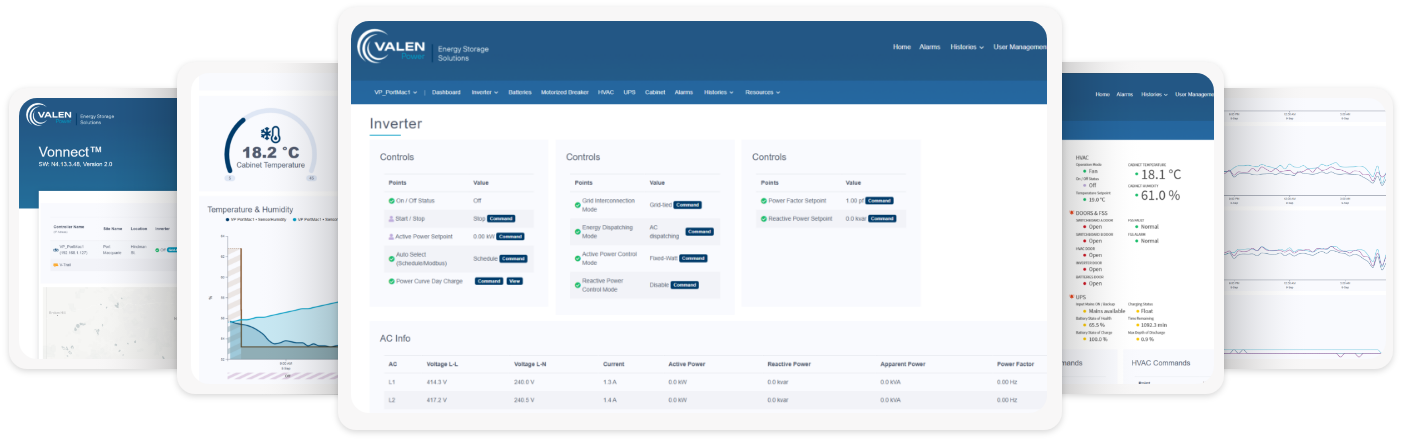
Valen’s 48V FT Lithium solution provides compatibility with a wide range of communication protocols including ModBus, CANbus, RS232, RS485, and SNMP. This allows users to monitor not just battery performance but also connected components like fuel cells and air conditioning systems. With full networked visibility, operational decisions can be data-driven and proactive.
Enhanced Flexibility and Scalability
These batteries deliver over twice the usable energy of traditional VRLA alternatives. That means fewer units, less cabling, and lower maintenance. Their scalability allows networks to grow without a complete redesign of power infrastructure, enabling smooth deployment across both legacy and new installations.
Ergonomic and Lightweight Design
Despite their high capacity, Valen 48V FT Lithium units are easier to handle than traditional options. Their lighter weight combined with purpose-built ergonomic handles makes manual handling safer and faster. This reduces labour time, increases safety on-site, and improves the overall installation experience.
Anderson Connectors
Valen’s 48V models are equipped with Anderson connectors for secure, rapid plug-and-play connection. These connectors offer high current ratings and reliable contact, making them ideal for critical backup systems.
Performance Overview
| Metric | 12V Front Terminal Lithium | 48V Front Terminal Lithium |
| Cycle Life | 2500 to 4000 cycles @ 80% DoD | 3000 to 5000 cycles @ 80% DoD |
| Installation Time | Moderate | Fast |
| Serviceability | Easy with front terminals | Easy with front terminals and fewer units |
| Weight per Unit | Lighter individual units | Lighter. Fewer units required |
| Power Density | Lower | Higher |
| Monitoring | Optional with add-ons | Range of built-in protocols |
Why Valen Power Front Terminal Lithium Is the Smarter Choice
Valen Power offers front terminal lithium batteries engineered for reliability, safety, and flexibility. Our lithium solutions are specifically designed to meet the demands of backup systems in remote or space-constrained installations.
Key Benefits of Choosing Valen:
-
- Built to Australian quality standards
-
- LiFePO4 chemistry for maximum safety and long cycle life
-
- Compact front terminal design optimised for cabinet and rack installations
-
- Direct VRLA replacement with over twice the usable capacity
-
- Compatible with CANbus, ModBus, RS232, RS485, and SNMP
-
- Lightweight design with built-in handles for easy installation
-
- Field-proven in a range of critical power applications
-
- CANbus communication and Anderson connector integration (48V)
-
- Readily available technical support and product supply throughout Australia
Whether you’re upgrading legacy systems or designing a new telecom deployment, Valen’s front terminal lithium batteries help future-proof your infrastructure.
Ready to Make the Switch?
Understanding the difference between 12V and 48V front terminal lithium batteries helps ensure your power solution matches your operational needs. If space, scalability, and long-term cost matter to your business, 48V FT Lithium is the way forward.
Valen Power has the product range, technical expertise, and local support to help you make a confident transition to a smarter backup power system.