Distribution Network Service Providers

Keep the network reliable, from the substation to the last SWER line

Substations, reclosers, remote monitoring and control, communications and protection all need battery backup and storage that can be trusted. When backup fails, a component fault becomes a reliability problem, an urgent field response and a risk to essential services. Valen strengthens the power behind critical network assets, from recurring battery replacement to stand-alone power and SAPS programs. 

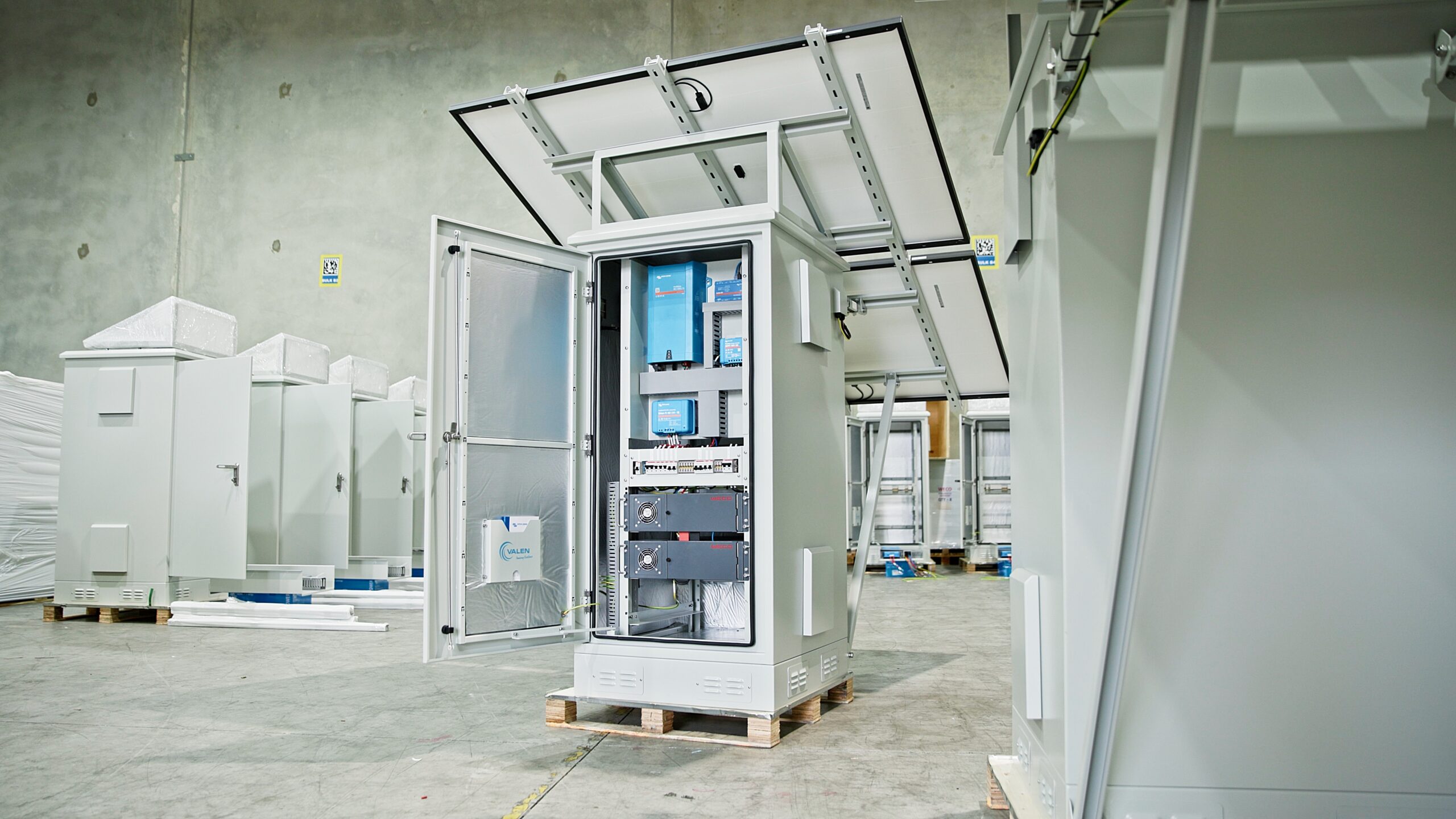
Trusted on network infrastructure, including stand-alone power systems for Essential Energy.

A more distributed grid

A more distributed grid, and a more complex power problem

Ageing standby batteries, regional reliability, network visibility, remote communications, stand-alone power programs, SWER line replacement, renewable integration and community batteries are all reshaping what network power has to support. Valen helps DNSPs strengthen the systems behind critical assets, from recurring substation battery replacement through to larger stand-alone power and storage projects. 

Where Valen creates value for network providers

Recurring replacement, remote reliability and grid modernisation

01

Support recurring battery replacement

Substations, reclosers, communications sites and standby systems rely on batteries that need predictable lifecycle management. Valen supports battery supply, replacement planning and component pathways that reduce unexpected failures across distributed assets.

02

Strengthen remote network reliability

Regional and remote networks need power systems that perform where access is difficult and response times are longer. Valen supports stand-alone power, single wire earth return replacement, remote monitoring, communications and off-grid infrastructure designed around uptime.

03

Enable grid modernisation projects

As renewable integration, community battery deployment and remote network resilience programs grow, Valen supports complete systems and components that fit project, procurement and operational requirements.

Network applications we support

Power matched to the asset it keeps reliable

Substation and standby battery systems

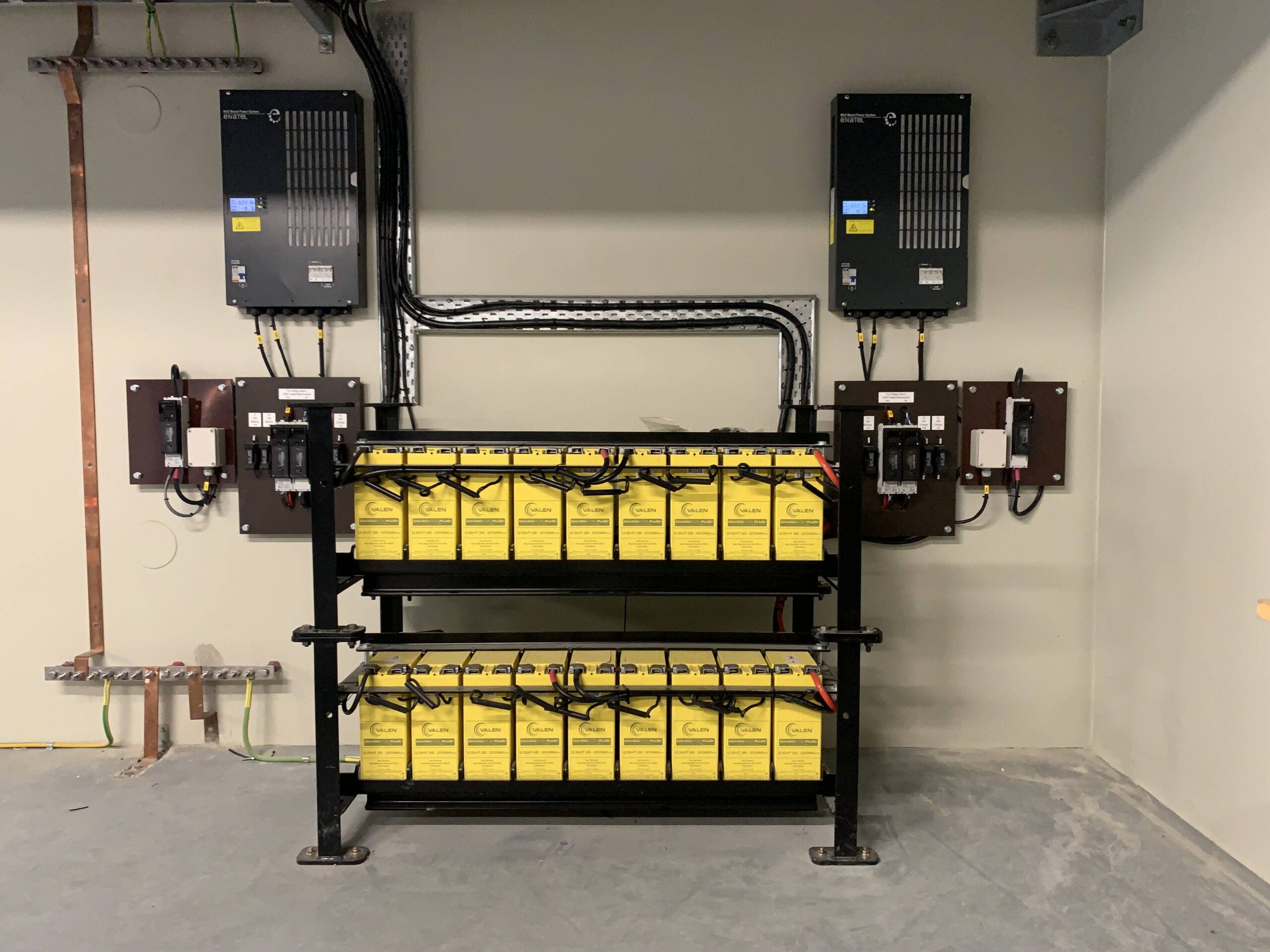
Battery backup and charger solutions for substations, control equipment, protection systems and standby power applications across distribution networks.

Monitoring, control and communications

Power for remote monitoring and control, telemetry, communications cabinets, field control and network visibility assets.

Community battery and energy storage

Battery energy storage systems for providers deploying local energy storage, renewable integration and network support infrastructure.

Recloser backup power

Battery and backup power for reclosers and field switching assets where reliable operation supports network protection and fault response.

Stand-alone power and SWER replacement

Stand-alone power systems for remote customers, isolated network assets and single wire earth return line replacement where grid connection is costly, exposed or difficult to maintain.

Temporary and mobile network power

Deployable power for emergency response, outage support, remote works, maintenance programs, trial sites and temporary infrastructure.

Frequently Asked Questions

They supply the DC auxiliary system, protection relays, control and tripping circuits, SCADA and RTU, communications, alarms and indication, so that protection can still operate and the substation can still be controlled when the AC supply is lost. This is the “tripping battery” or “station battery”, and it is the reason a substation can clear a fault during a total AC failure. Loss of the DC supply means loss of protection and control of the high-voltage assets, which is why these banks are among the most closely managed low-value assets on a network.

Ten hours is the published Australian benchmark. AusNet’s asset management strategy states DC systems “have been designed to maintain DC supply to 10 hours after AC interruption for system black or ZSS black purpose.” For comparison across the utility sector, Sydney Water’s HV installation specification requires a minimum of four hours plus the capacity to complete two full operations of the installation within it, sized by the IEEE 485 method with a 10% design margin and a 25% ageing factor, which is the exact formulation Australian utility specifiers use.

Bank voltages across Australian distribution fleets span 6 V to 250 V DC, with 125 V DC the most common and capacities up to around 400 Ah, per AusNet’s published fleet data. Legacy 32 V and 48 V systems are common, and Sydney Water’s current specification nominates 48 V DC for new installations with 32 V and 110 V retained only for existing sites. Standardising is worth doing for spares, testing equipment and technician familiarity, but it is an asset-replacement programme rather than a retrofit, the DC distribution, protection settings and equipment input ranges all follow the bank voltage.

Two published Australian policies give you defensible numbers. AusNet: useful life is typically 12 years while capacity remains above 80% of rated, but “may be substantially less” where the environment is not temperature controlled, as low as 10 years. Over 40% of their battery population is 10 years or older, with the oldest recorded at 24 years. Powerlink: nominal replacement age of 12 years for 2 V cells and 8 years for 12 V monoblocs, based on impedance testing and historical fault data, with a six-monthly inspection and test regime. The monobloc figure being a third shorter is a genuinely useful input to a format decision.

This is the real problem, and AusNet states it plainly: full discharge testing and discharge-rate testing are “impractical on zone substations with a single battery bank”, which “prevent[s] accurate measurement of the DC system available capacity.” Their response is a new standard requiring individual battery cell monitoring of voltage and impedance plus SCADA alarm monitoring, with research directed at estimating remaining useful life. The honest position: impedance monitoring is a trend indicator, not a capacity measurement, it catches open cells, dry-out and connection degradation reliably, and correlates with capacity fade, but it does not replace a discharge test. A second bank, or a portable load bank programme, is the only way to get a direct measurement.

Yes, and in the direction most people do not expect. AusNet’s asset strategy notes that the absence of monitoring “may void the DC cell warranty as the manufacturer requires proof that the DC cell was operated in a controlled regime.” Monitoring data functions as the evidence file for a warranty claim. Related point worth checking on your charger fleet: AusNet reports around half of its chargers have temperature control functionality, while the current standard requires temperature-compensated charging, a charger without it may itself be the reason a claim is declined.

Key components and systems for distribution networks

Choose by what the asset needs

Community batteries and stand-alone systems for remote and modernising networks, plus the batteries, chargers, UPS and enclosures behind recurring substation and field replacement. All in one place.

Choose the right power pathway

Match the solution to the requirement

Substation & standby replacement

Dependable backup with planned lifecycle replacement.

VRLA
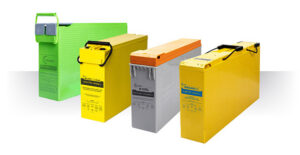
Front Terminal
Chargers
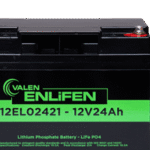
Lithium

Remote network assets

Smaller remote loads: detection, telemetry, monitoring, comms.

UPS
Modx1
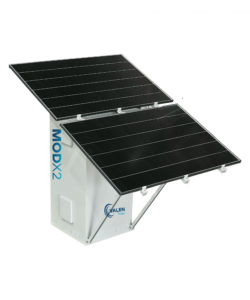
Modx2
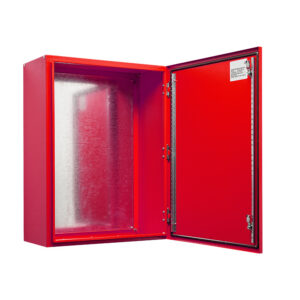
Enclosures

Stand-alone & SWER replacement

Reliable power for remote customers and isolated assets.

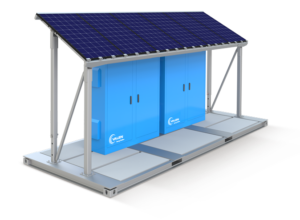
Vantara
Vantara Rapid
Modx

Community battery & storage

Local energy storage, grid support and fast deployment.

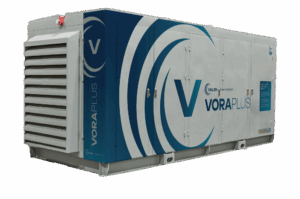
VoraPlus

Temporary & emergency

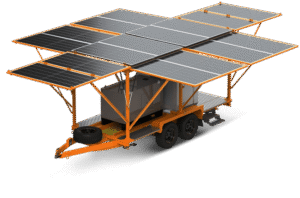
Deployable power for outages, trials and remote works.

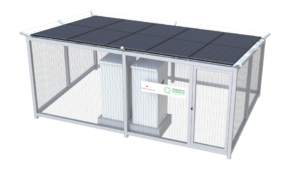
V-Trail
Why network providers work with Valen

Built around reliability, practical for distributed infrastructure

Built around network reliability

Think beyond individual battery replacement to the full requirement: asset criticality, runtime, lifecycle, access, environment and network impact.

Practical for distributed assets

Power assets spread across substations, field cabinets, regional sites, remote communities and isolated locations. Solutions suited to real field conditions.

Systems and components in one place

Recurring battery supply, chargers, UPS and enclosures plus complete stand-alone power and energy storage for larger project work.

Recurring and project-based needs

From substation replacement cycles to stand-alone power, SWER replacement and community battery programs, Valen helps find the right pathway.

Relevant resources

Useful reading
for network teams
Related resource

Case study: Community battery power for DNSPs
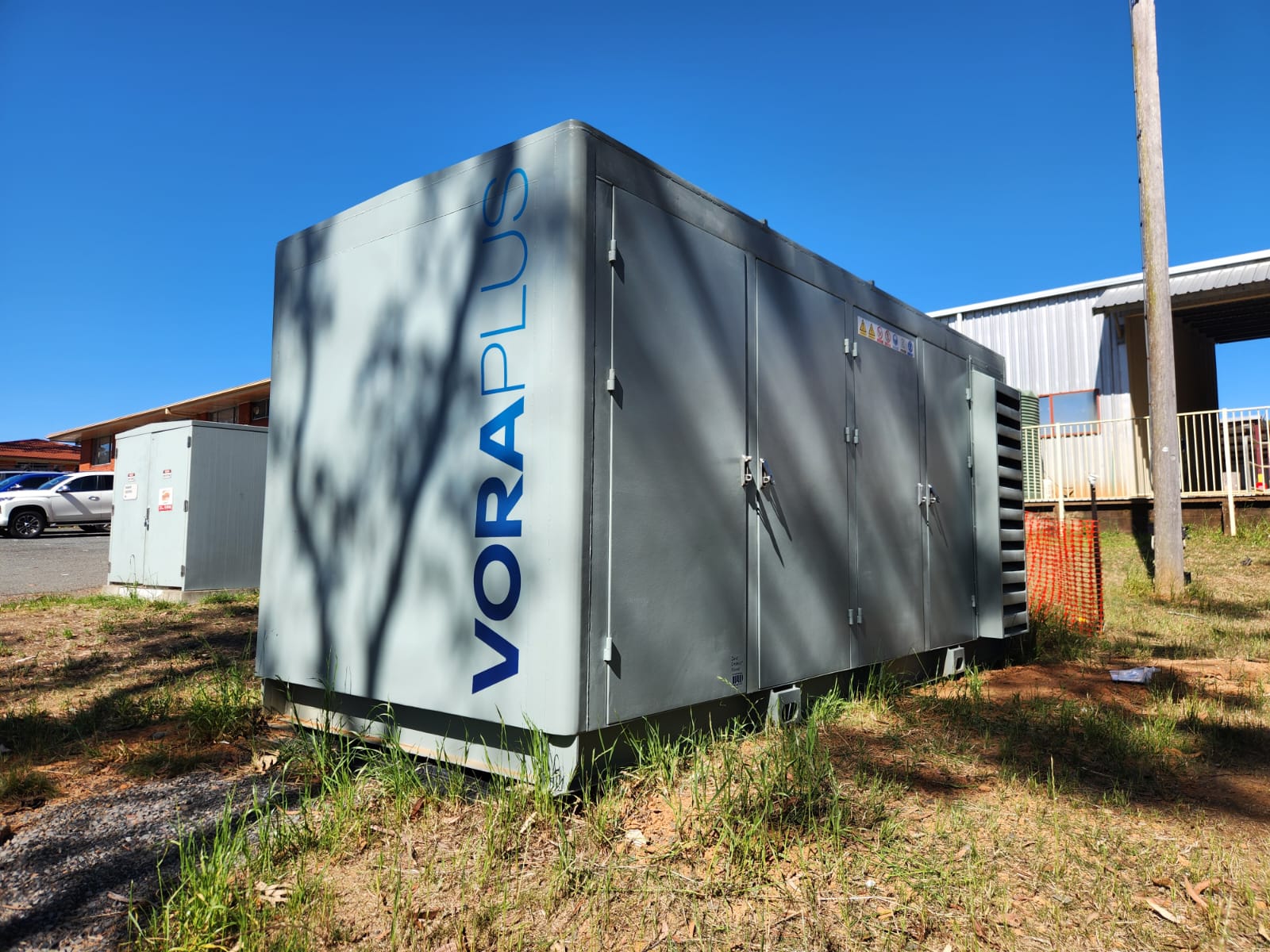
Case Study VoraPlus community battery for DNSPs

Community Battery · DNSP

How VoraPlus Redefines Quiet, Secure and Fast Energy Storage for DNSPs

A look at how VoraPlus was engineered to solve the noise, cyber security and integration problems that have held back earlier community battery rollouts, giving distribution network service providers a quieter, faster to deploy platform for managing solar-heavy feeders.

2 December 2025 15 min read
Read the case study

Servicing Clients Australia and New Zealand Wide

Valen Power partners with industry leaders across diverse sectors providing innovative energy storage solutions and unparalleled support to meet their unique needs.

Valen Resource Centre

The most comprehensive library of information about industrial batteries and energy storage anywhere.

Case Studies

Enquire Now

Login Required

An account is required to add products to your cart, please login or register for an account.