Have you arrived on site only to find your battery terminals covered in corrosion? It is a common issue, and one that can lead to reduced battery performance or even early failure if left untreated.
In this article, the team at Valen Power explains everything you need to know about battery terminal corrosion, including what causes it, how to prevent it, and when it is time to replace the battery.
What Is Battery Terminal Corrosion?
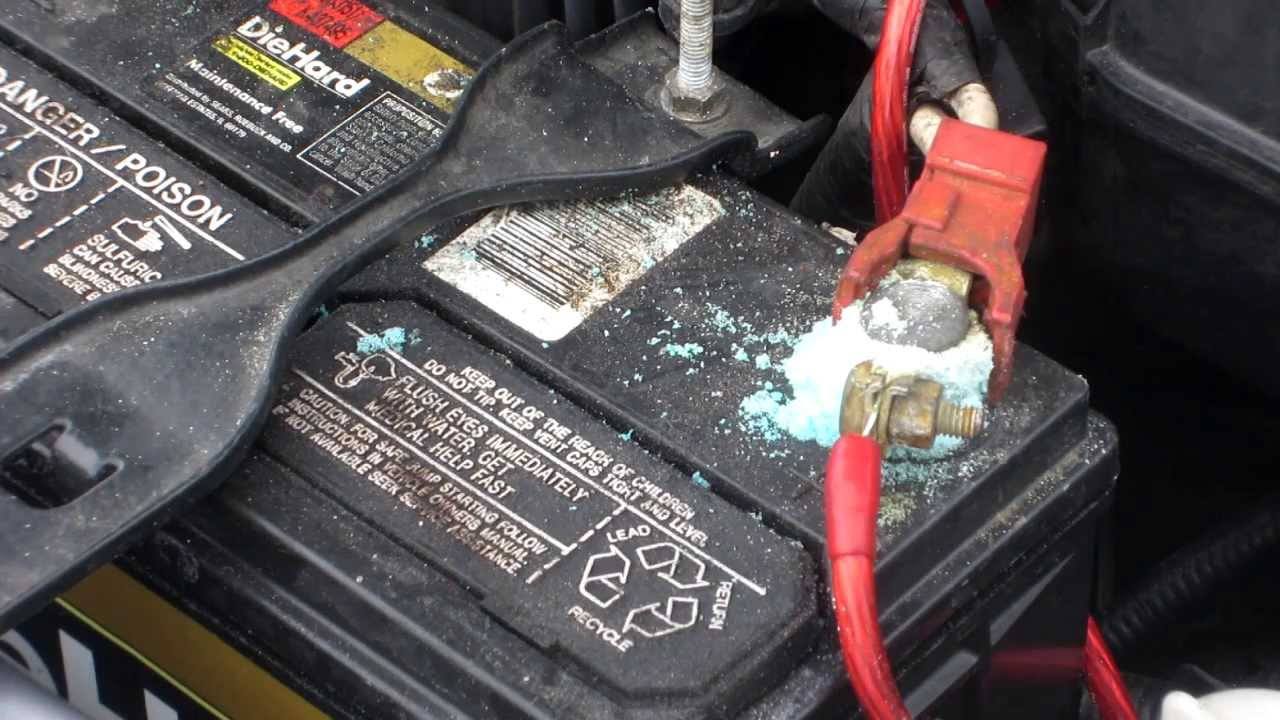
Battery terminal corrosion appears as a white or green flaky build-up on the metal terminals of a battery. It occurs when hydrogen gas escapes from inside the battery and reacts chemically with the metal terminal posts. This is especially common in dry cell batteries such as AGM and GEL batteries.
What Causes Battery Terminal Corrosion?
There are several factors that contribute to corrosion on battery terminals:
-
Overtightening terminal bolts – This can cause hairline cracks around the terminal post. These cracks allow hydrogen gas to escape, which then reacts with the terminal surface and causes corrosion.
-
Plate growth from overcharging or heat – Operating batteries at high temperatures or charging them incorrectly can lead to internal plate growth. This growth can crack the seal around the terminal, allowing gas to leak out. The escaping gas causes chemical corrosion when it contacts the metal terminal.
How to Prevent Corrosion on GEL and AGM Batteries
While corrosion cannot always be completely avoided, there are proven ways to reduce the risk:
-
Use a torque wrench during battery installation to ensure correct terminal tightness
-
Perform regular maintenance to check connections and charging settings
-
Keep batteries in shaded or ventilated enclosures to avoid heat build-up
-
Clean terminals during every maintenance visit
-
Use chargers with temperature-compensated charging to prevent overcharging in hot environments
-
Consider Valen OPzV Batteries with sliding pole technology, designed for extreme temperature and cyclic use cases where plate growth is a known issue
Do You Need to Replace the Battery If the Terminals Are Corroded?
Not always. If caught early, corrosion can be cleaned off safely and the battery can continue to be used. However, if the corrosion has deeply penetrated the terminal or damaged the protective tin coating over the copper, replacement may be necessary.
How to Clean Battery Terminal Corrosion
-
Isolate the battery by switching off the load and disconnecting it
-
Wear gloves to protect your hands
-
Use a wire brush to remove thick corrosion
-
Apply a baking soda and water mixture to neutralise any acid residue
-
Scrub the terminals with the wire brush
-
Wipe clean with a rag and allow the battery to dry for 24 hours
-
Reconnect the terminals, ensuring proper tightness
-
Turn the load back on and monitor the system
Once the battery is cleaned, investigate the root cause and take steps to prevent it from recurring.
If the corrosion has damaged the terminal surface or exposed the copper underneath, ongoing corrosion is likely. In such cases, replacing the battery is the safest and most efficient option.
The Real Deal
Battery terminal corrosion is manageable and often preventable. With proper installation, regular maintenance and the right equipment, you can extend the life of your AGM or GEL battery and reduce the risk of performance issues.
If you have any questions about battery terminal corrosion or need advice for a specific site, contact the Valen Power team or call us on 1300 734 253. We are here to help.
Share
Related Articles
The main job of the Energy Management System is to make sure everytdiscussed and defined during Valen’s design stage.