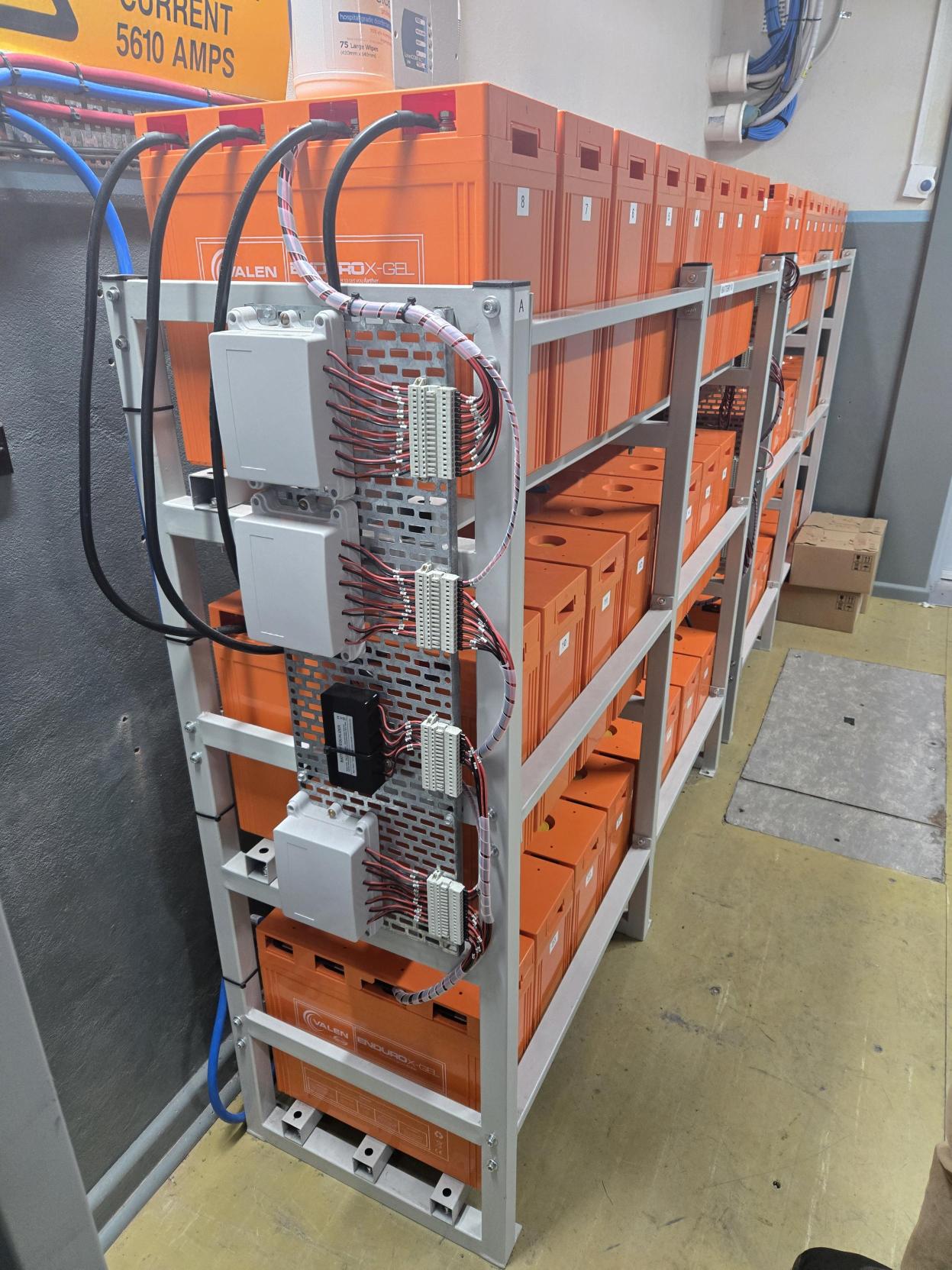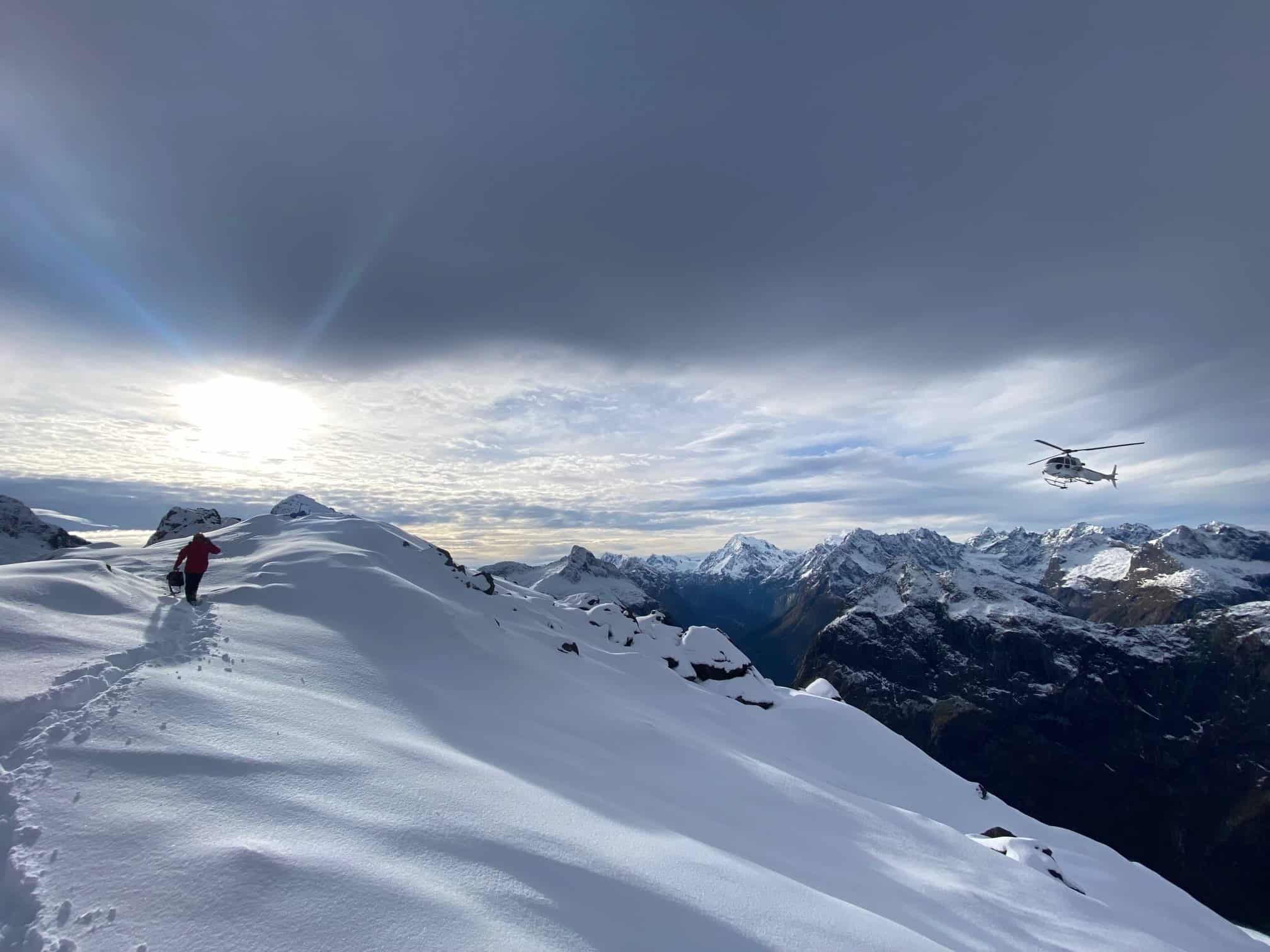
Remote site power requirements come down to one thing: equipment that is sealed against dust and water, indifferent to heat, cold, pests and voltage spikes, and built for the site it actually sits on. That is what operators across rail, roads, utilities and telecommunications keep asking us.
Why “no babysitting” is the real requirement for remote site power requirements
A remote site is rarely a short drive away. A hilltop radio repeater, a rail passing loop or a roadside CCTV pole can mean hours of travel, access permits and a two-person crew for every visit.
So the most expensive part of a power system is often not the hardware. It is the unplanned callout when something trips, overheats or fills with dust.
When engineers say they want equipment that “just works”, they are describing a design brief: fewer failure points, fewer site visits, and equipment that tolerates the conditions instead of needing protection from them.
Dust and water: read the IP rating properly
An IP rating has two digits. The first is protection against solids, where 6 means dust-tight. The second is protection against water, and that is where specifications differ.
| Rating | Dust | Water |
|---|---|---|
| IP55 | Dust-protected: some dust may enter, but not enough to affect operation | Low-pressure water jets from any direction |
| IP56 | Dust-protected: some dust may enter, but not enough to affect operation | Powerful water jets |
| IP65 | Dust-tight | Low-pressure water jets from any direction |
| IP66 | Dust-tight | Powerful water jets |
| IP67 | Dust-tight | Temporary immersion, up to 1 m for 30 minutes |
| IP68 | Dust-tight | Continuous immersion beyond 1 m, under conditions the manufacturer states |
Above-ground cabinets are often specified at IP55 or IP56. Dusty sites, wash-down areas and locations that can flood call for a higher rating. Road and street-lighting authorities increasingly write IP68 into battery specifications, especially for in-ground or pole-base enclosures. Ask what the rating applies to (the battery, the enclosure or the whole assembly) and check it is printed on the datasheet. A missing line can stall an approval.
Heat and cold: temperature is a battery’s biggest enemy
Enclosure temperatures on Australian sites can exceed 60 °C in summer and drop below zero on alpine, tableland and high-country sites in winter. Batteries feel both.
- Heat shortens life. As a rule of thumb, lead-acid battery life roughly halves for every 8 to 10 °C of sustained operation above 25 °C. Ventilation, shading and enclosure colour matter as much as the battery itself.
- Cold limits charging. Lithium iron phosphate (LiFePO₄) batteries should not be charged below about 0 °C. A good battery management system (BMS) protects the cells by stopping the charge, which can look like a fault on a cold morning. Self-heating or heated battery modules keep the system charging through winter.
- Check the operating range, not just the storage range. A figure such as −20 to +60 °C should be the range the battery can operate and charge in, with any derating stated.
If you are specifying Valen ENLiFEN or SOLiCORE batteries for a cold site, our team will confirm the charging range against your site’s lowest temperatures before you commit.
Pests, dirty power and moving designs: the failures nobody puts in the spec
At one generation site we visited recently, the chargers kept failing for reasons no datasheet mentions.
- Lizards and other small animals. Warm electronics attract them. They get into fans and vents, short boards and block airflow. Sealed, fanless designs with mesh-protected or no openings remove the invitation.
- Voltage spikes. Large motors, such as ventilation fans, cause transients on the supply every time they start. Sensitive electronics take the hit. Input protection and surge suppression, or simpler charger designs, survive far better.
- Changing designs. When a supplier keeps changing the chassis, every replacement becomes a custom job. Operators want a stable product they can stock spares for.
The request we heard was blunt: simple, “tractor-style” chargers with no sensitive electronics to fail.
Valen builds its systems from its own components, which gives us oversight of quality, manufacturing and stock levels. Spares are held at our Lawson warehouse, with same-day dispatch on orders received before 12pm.
Exposed sites: design for the worst day, not the average one
The hardest site in a project usually sets the design. A roadside CCTV pole on an exposed ridge is a good example.
- Wind. Solar arrays act like sails. Pole and frame engineering should be checked against the site’s wind region under AS/NZS 1170.2.
- Footings. Ground conditions vary from site to site. A geotechnical report turns a guess into a footing design.
- Autonomy. Unattended solar sites need enough battery capacity to carry the load through extended poor weather. The right number of days depends on the site’s solar resource and load profile, so size it per site, not from a rule of thumb.
- Cable runs. Keep the array close to the cabinet to limit voltage drop. We design for under 2.5% where practical.
- Monitoring. Remote monitoring lets you see a problem coming instead of finding it on a site visit.
Our ModX1 and ModX2 stand-alone solar systems are built in configurations for sites like these. For larger loads or harsher environments, Vantara provides a complete stand-alone power system (SAPS).
Seven questions to ask before you specify
- What IP rating does the site need, and does it apply to the battery, the enclosure or both?
- What is the operating and charging temperature range, and is it on the datasheet?
- For lithium, how does the system charge below 0 °C?
- Is the charger fanless and sealed against insects and small animals?
- How does it handle voltage spikes and dirty power on the supply?
- Has the structure been checked for the site’s wind region and ground conditions?
- How much autonomy does the site need, and how will you know remotely if something changes?
If your remote sites keep calling you back, talk to our team. We design, engineer, build, commission and support every Valen system, so one team is accountable from first sizing to after-sales support for the life of the system.
Share
Related Articles
The main job of the Energy Management System is to make sure everytdiscussed and defined during Valen’s design stage.