A planned battery replacement program, run by one supply-and-install partner, costs far less than replacing batteries one emergency at a time. Reactive replacement is the most expensive way to run a network. Every failure means an urgent callout, a rushed order and a site that may already be down. A scheduled program changes the maths.
Where a battery replacement program saves money
- Fewer emergency callouts. Replacing batteries before they fail removes the after-hours scramble and the overtime that comes with it.
- One partner, one price. Supply and install together removes the margin stack and the overhead of coordinating separate suppliers and installers.
- Fleet consistency. The same battery, the same records and the same install standard across every site make maintenance predictable.
- Compliance and disposal handled. Tightening standards and disposal rules are managed as part of the program, not left to each site.
- Cashflow you can plan. A scheduled program is a budget line, not a series of surprises.
What a battery replacement program looks like
A program starts with an audit of your sites: battery type, age, test results and how hard each site is to reach. From that, we build a schedule that brings forward the oldest and most critical sites and groups nearby sites into the same visit, so travel and labour are shared.
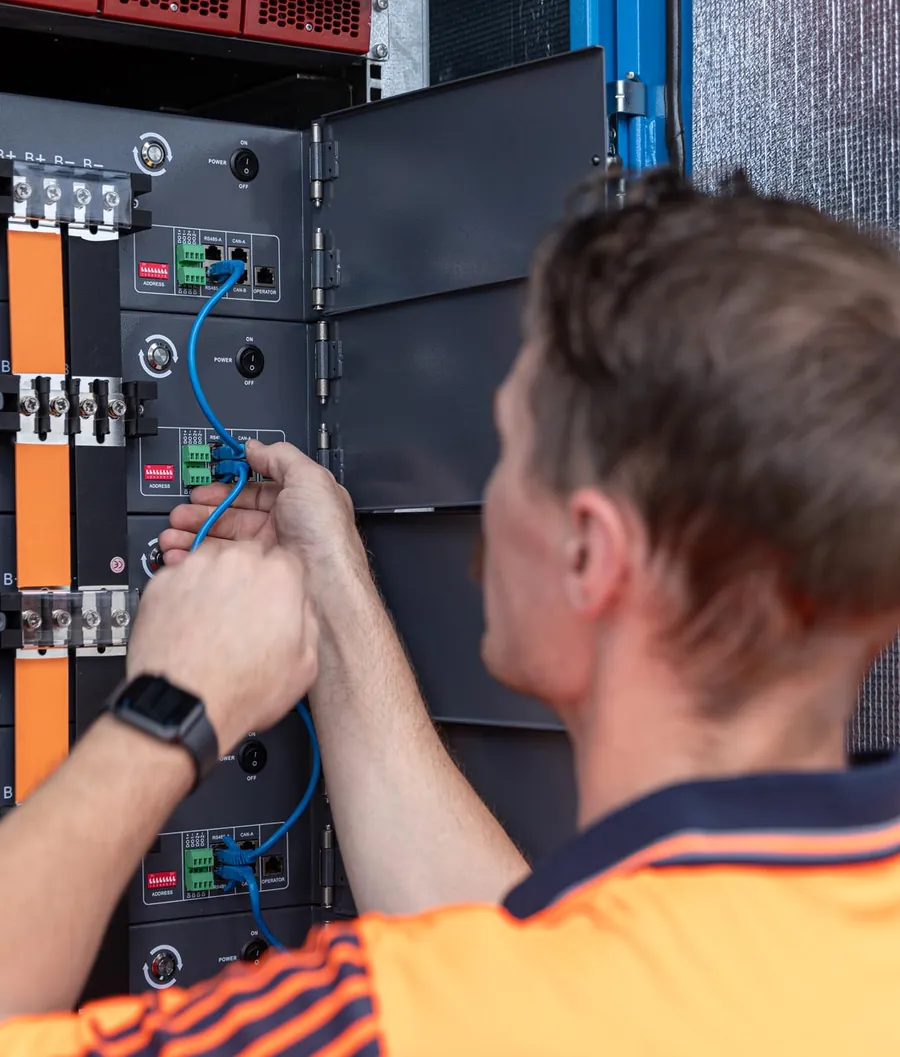
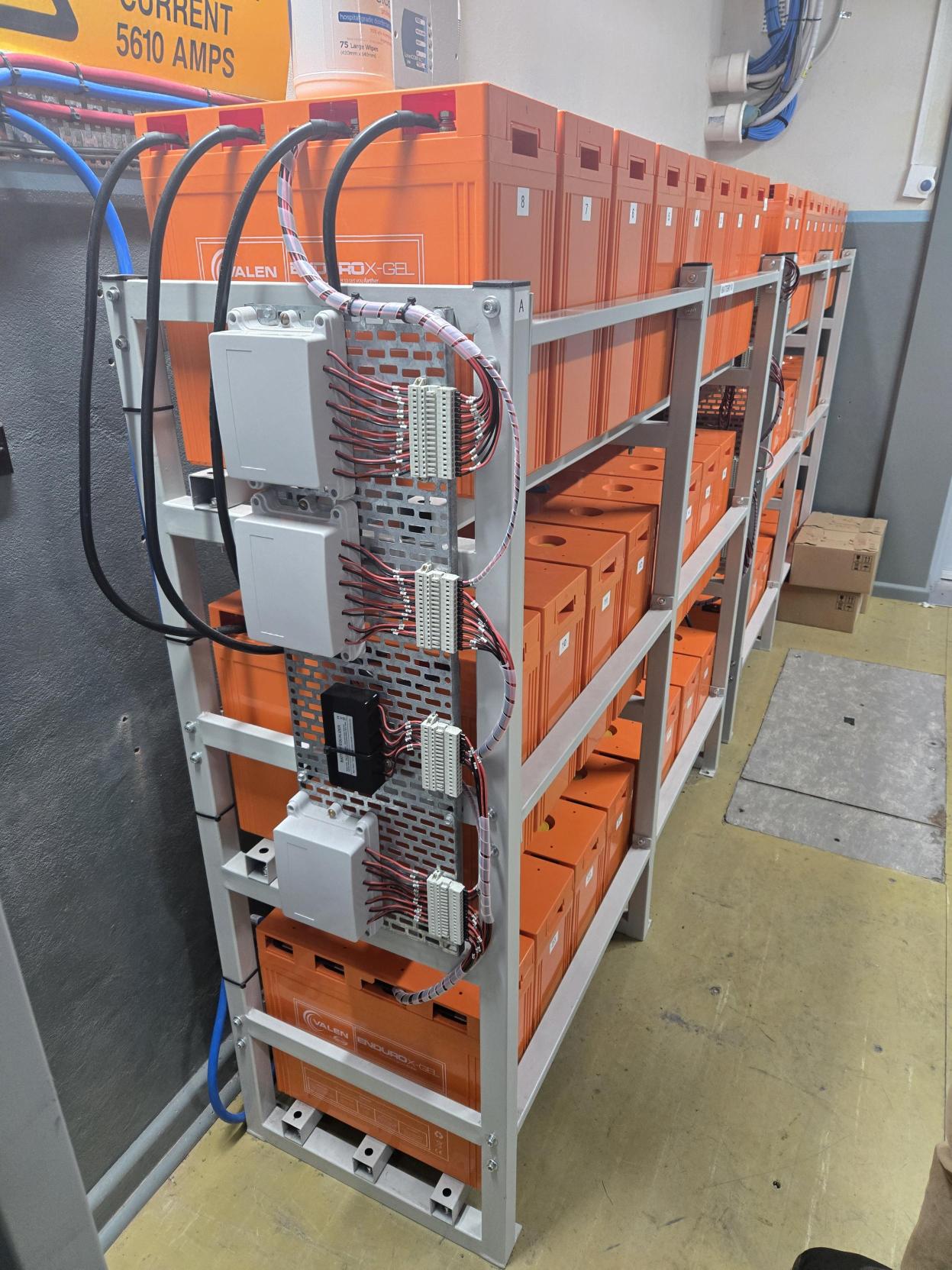
Each visit follows the same process. Old batteries are removed, new batteries are installed and tested, and the old batteries are sent for recycling through approved channels, in line with the Australian Battery Recycling Initiative. You receive a record for every site, including install date, battery serial numbers and test results, ready to load into your asset system.
The long-term value of a planned program
Over time, that record becomes the most valuable part of the program. It shows which sites age batteries fastest, where cabinet heat or charging needs attention, and what next year’s budget should look like. It also makes it simple to standardise on fewer battery models across the fleet, which cuts spares holdings and training.
For more on planning at scale, see our FAQ on managing battery replacement across hundreds of sites.
The Valen model
We supply and install batteries across your fleet on a schedule built around site criticality and design life, so failures are planned out rather than reacted to. Programs suit telemetry, rail, mining, ITS, UPS and DNSP networks.
Ready to plan out your next round of failures? Book a battery replacement program review.