Critical infrastructure doesn’t operate in perfect conditions.
Roadside cabinets experience heat. Remote sites rely on solar input that changes daily. Some locations deal with unstable mains supply. Batteries sit in standby for long periods, then are expected to perform immediately when called upon.
The EnviroX-cel range was developed specifically to reduce the negative effects of extreme temperatures, unstable mains, solar charging, partial state of charge operation and deep discharge — conditions commonly exerted on VRLA batteries.
The Reality of Partial State of Charge (PSOC)
Most standard lead batteries are designed to be fully recharged after each discharge. If they repeatedly sit at partial charge, their lifespan shortens significantly.
In real-world applications — particularly solar-powered sites or locations with unstable grids — full recharge isn’t always possible. Batteries often cycle without returning to 100%.
Lead Carbon cyclic batteries are designed to operate effectively in these partial state of charge conditions.
What this means in practice:
- The battery tolerates irregular charging.
- It handles frequent discharge and recharge cycles more effectively.
- It maintains performance where standard batteries degrade quickly.
For off-grid and hybrid sites, that translates to longer usable life and fewer unexpected replacements.
Faster Recovery After Discharge
Standard lead batteries typically limit how quickly they can be charged or discharged without long-term damage.
Lead Carbon technology supports significantly higher charge and discharge rates.
In practical terms:
- The battery can recover faster after an outage.
- It is better suited to applications where demand fluctuates.
- It supports systems that cannot wait hours for a slow recharge cycle.
This matters in communications, UPS, and remote infrastructure where uptime is critical.
Built for Heat and Harsh Conditions
Heat is one of the most common reasons batteries fail early.
The EnviroX-cel Plus+ range is designed for endurance in standby environments of up to 65°C and carries a 15-year design life.
It also incorporates shock-resistant, flame-retardant casing to increase resistance to external temperatures.
What this means on site:
- Greater resilience in roadside and enclosed cabinets.
- Improved durability in remote environments.
- Reduced stress from temperature extremes.
When the environment is demanding, the battery construction needs to reflect that.
Designed to Last Longer
EnviroX-cel has been engineered to reduce internal degradation mechanisms that commonly shorten VRLA battery life.
The improved construction increases service life, reduces the need for replacement, and lowers the frequency of call-outs.
In real terms, that means:
- Fewer site visits.
- Less disruption.
- Lower lifecycle cost over time.
Battery replacement is rarely convenient. Extending service life reduces operational strain.


Suitable for Critical Standby Applications
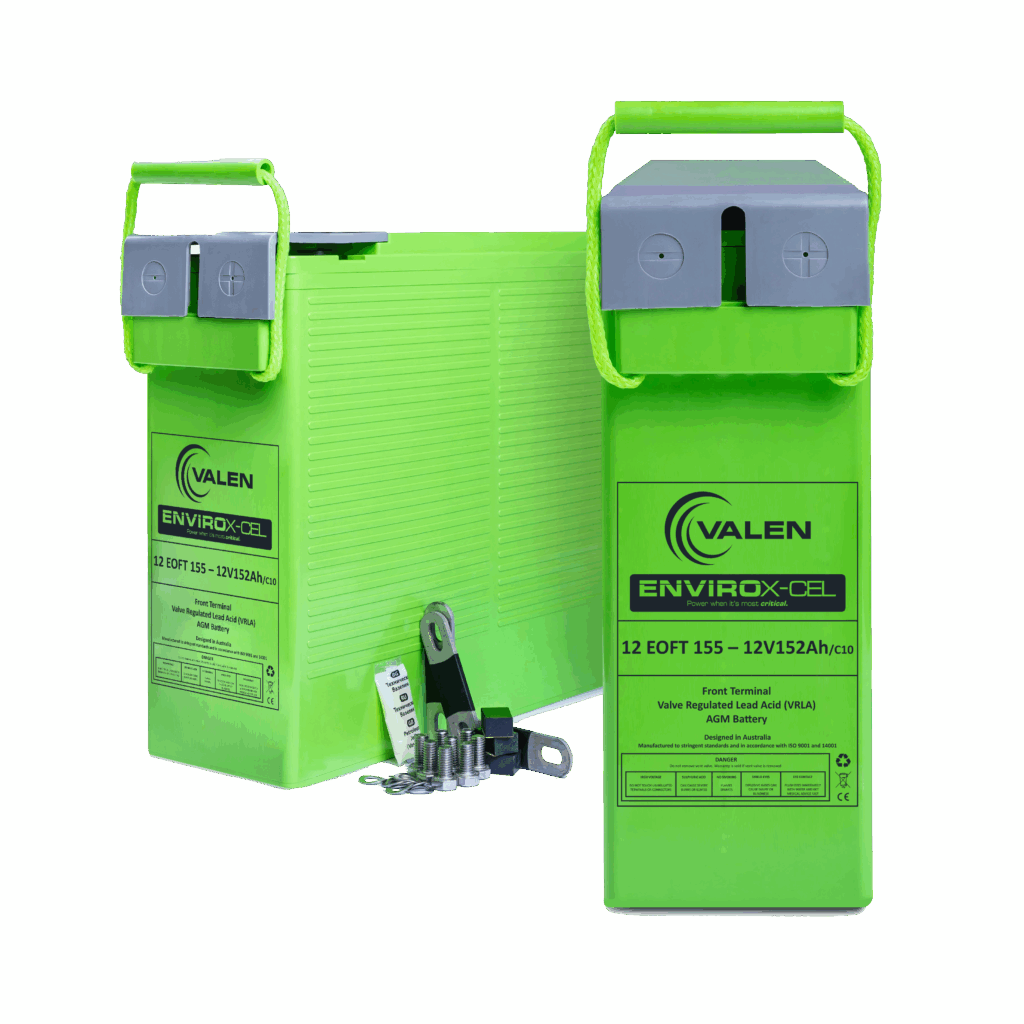
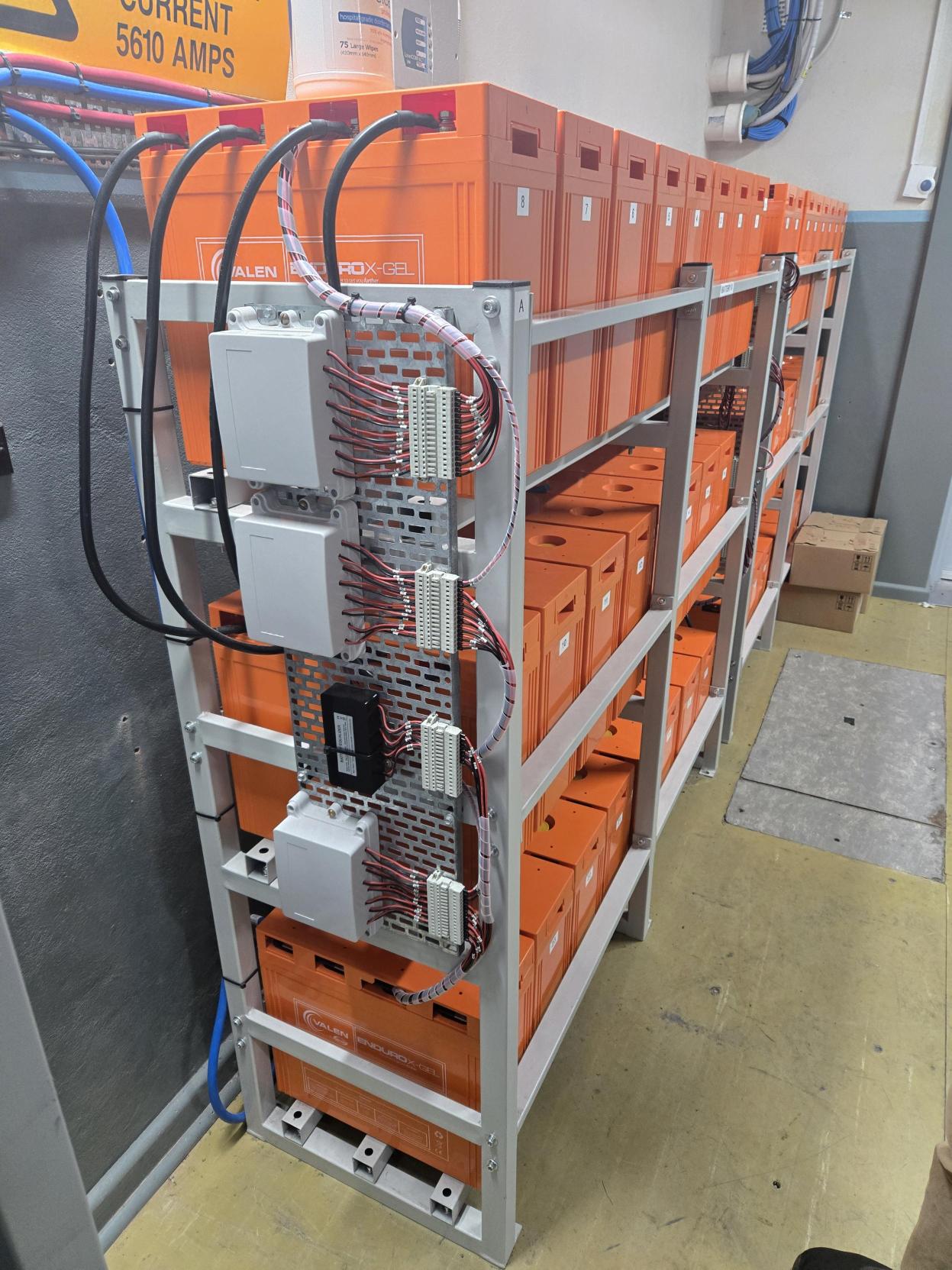
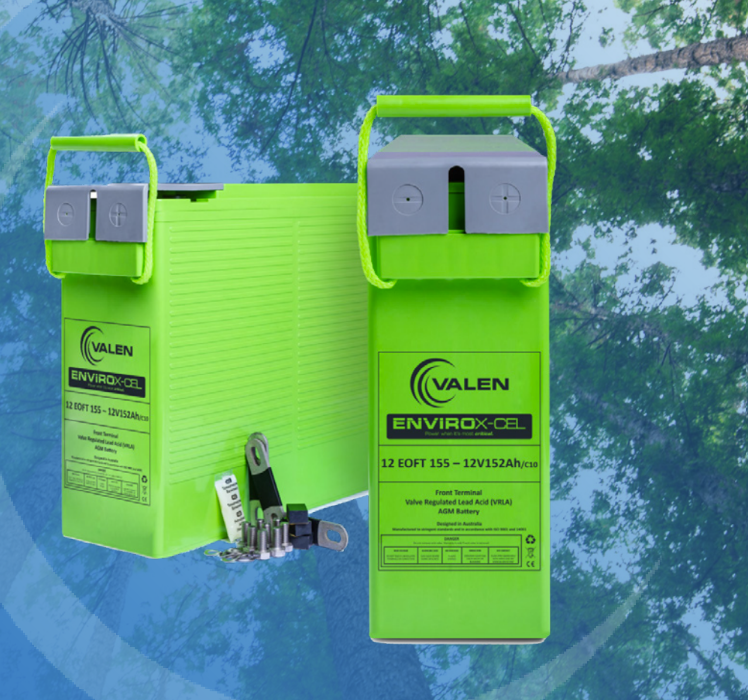
The front terminal EnviroX-cel range is designed for long life in standby applications and is suited to UPS, communications and critical infrastructure systems.
Its slimline design allows integration into standard racks, supporting compact and effective battery systems.
For operators managing infrastructure across multiple sites, consistency and reliability matter as much as performance.
Environmental Responsibility at End of Life
When batteries reach end of life, Valen’s recycling program reduces landfill to less than 1%, with raw materials recovered and recycled.
Longer service life combined with responsible recycling reduces overall environmental impact.
The Bottom Line
Lead Carbon technology within the EnviroX-cel range strengthens performance where standard batteries typically struggle:
- Partial state of charge environments
- Solar and unstable grid applications
- High temperature locations
- Frequent discharge and recharge cycles
The difference is not theoretical. It is seen in how the battery behaves over time.
For infrastructure that must remain connected, safe, and resilient, durability under real conditions is what matters most.