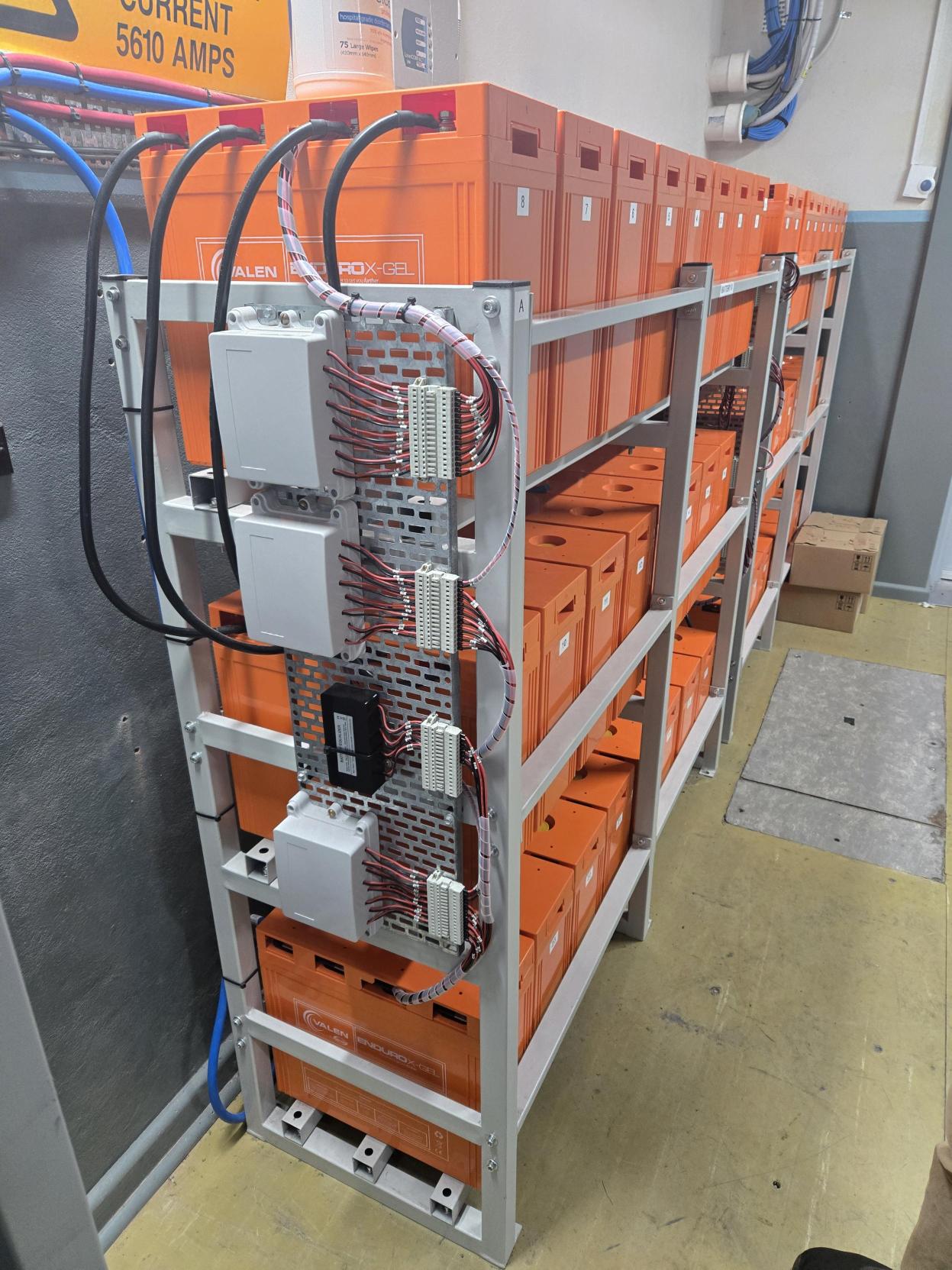
As telecommunications infrastructure continues to evolve, the demand for reliable backup power is more critical than ever. Traditional lead-acid batteries, once the industry standard, are beginning to show their age. With growing power loads, limited usable capacity, and increasing maintenance requirements, these systems can no longer keep pace with modern network demands.
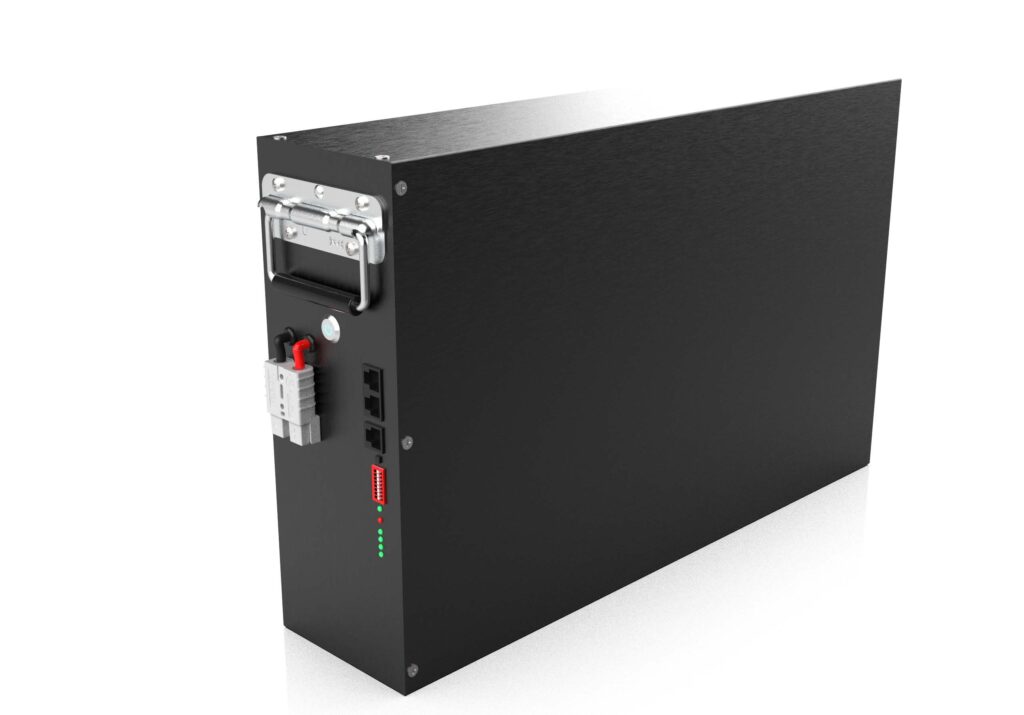
To ensure site reliability and scalability, telecom operators are turning to front-terminal lithium batteries—purpose-built solutions that deliver higher performance, longer runtime, and easier installation in a compact footprint.
The Problem: Legacy Battery Technology Can’t Keep Up
Telecom sites are under increasing pressure to support heavier loads and longer runtimes. However, lead-acid battery systems present multiple challenges:
- Limited usable capacity: Lead-acid batteries typically provide only around 70% usable energy to avoid damage, resulting in reduced runtime.
- Bulky configurations: Increasing capacity requires adding more batteries, which takes up valuable rack space and adds weight.
- Frequent maintenance: Periodic refresh charging, venting requirements, and thermal sensitivity create additional operational burden.
- Shorter cycle life: Over time, performance degrades faster, leading to higher replacement costs and potential service interruptions.
The Solution: High-Energy-Density Front-Terminal Lithium Batteries
Modern lithium battery technology—specifically lithium iron phosphate (LiFePO₄)—offers a high-performance alternative for telecom backup systems. These front-terminal lithium batteries provide:
✔ Over 2.5x Longer Runtime at the Same Load
Real-world performance comparisons reveal significant advantages:
| Metric | Lead-Acid System | Lithium System |
|---|---|---|
| Battery Configuration | 24 batteries | 24 batteries |
| Usable Energy | ~38.3 kWh | 98.3 kWh |
| Runtime at ~4.8kW Load | ~8 hours | ~20.5 hours |
| Runtime Improvement | – | 2.56x longer |
With 100% depth of discharge and an integrated battery management system, lithium solutions make full use of their capacity while maintaining safety and longevity.
✔ Smaller Footprint, Easier Handling
Lithium batteries deliver more energy in the same (or smaller) physical space:
- Fewer strings required
- Lighter, more compact units
- Reduced installation time and complexity
This is especially valuable for remote or space-constrained sites, where cabinet space is at a premium.

✔ Lower Operational Costs
Lithium batteries require no regular maintenance such as refresh charging or topping up fluids. Their longer service life and reduced need for intervention result in:
- Lower total cost of ownership
- Fewer site visits
- Less downtime due to battery failure
In harsh environments or where technician access is limited, this can make a significant operational difference.
✔ Scalable for Growing Site Demands
As more equipment is deployed at telecom sites—like small cells, IoT infrastructure, and edge computing—power demands continue to rise. Lithium battery systems scale efficiently without the need for oversized cabinets or additional support structures. They maintain performance under heavier loads and provide future-ready energy storage for expanding infrastructure.
A Smarter Backup for Modern Networks
Switching to front-terminal lithium batteries enables telecom providers to:
- Improve runtime and energy availability
- Reduce installation complexity and space requirements
- Lower maintenance and replacement costs
- Future-proof sites for growing energy demands
Stay Powered, Stay Ahead
The transition to high-performance lithium storage isn’t just a technical upgrade—it’s a strategic move. With better runtime, higher efficiency, and fewer headaches, front-terminal lithium batteries provide the reliability and resilience modern telecommunications sites require.
More power. Less maintenance. Smarter backup.