Remote power budgets get rejected for one reason: the quote looks like “parts” but the real cost shows up later, on site.
Most technicians and project managers have seen it happen. A cabinet looks simple on a BOM, then the project burns time and money in places the quote did not capture: component compatibility, substitutions, wiring effort, commissioning rework, early failures from inconsistent builds, and repeat visits because nobody can see what is happening remotely.
That is exactly what the ModX1 Configurator is meant to prevent.
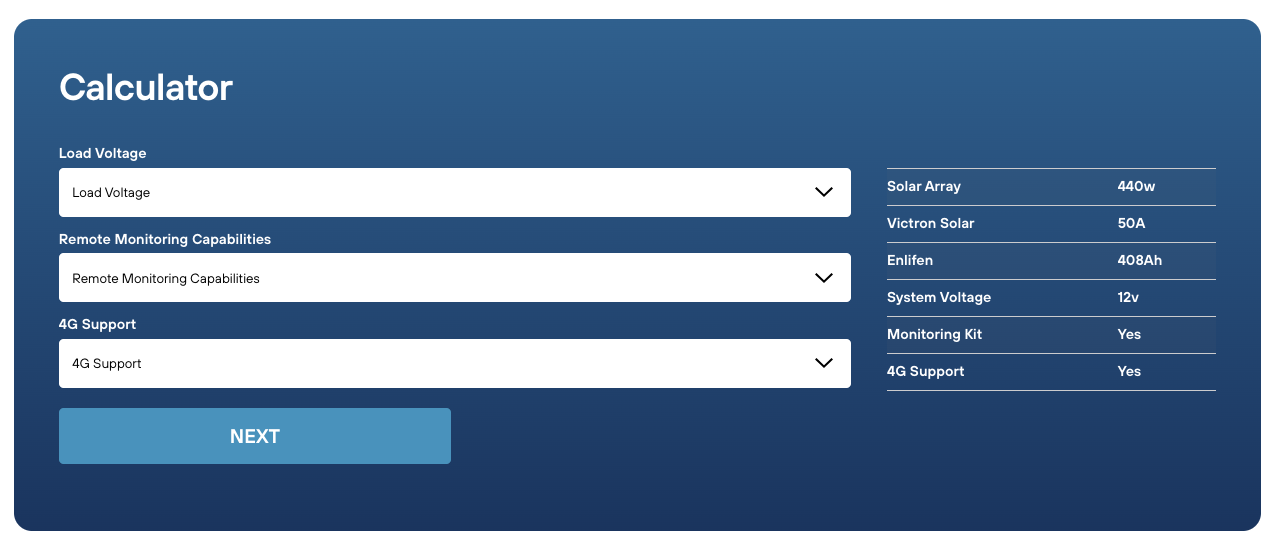
It is not a quick quote button. It is a lightweight specification workflow that forces three decisions early, so the scope stays stable and the system can be priced and delivered with fewer surprises.
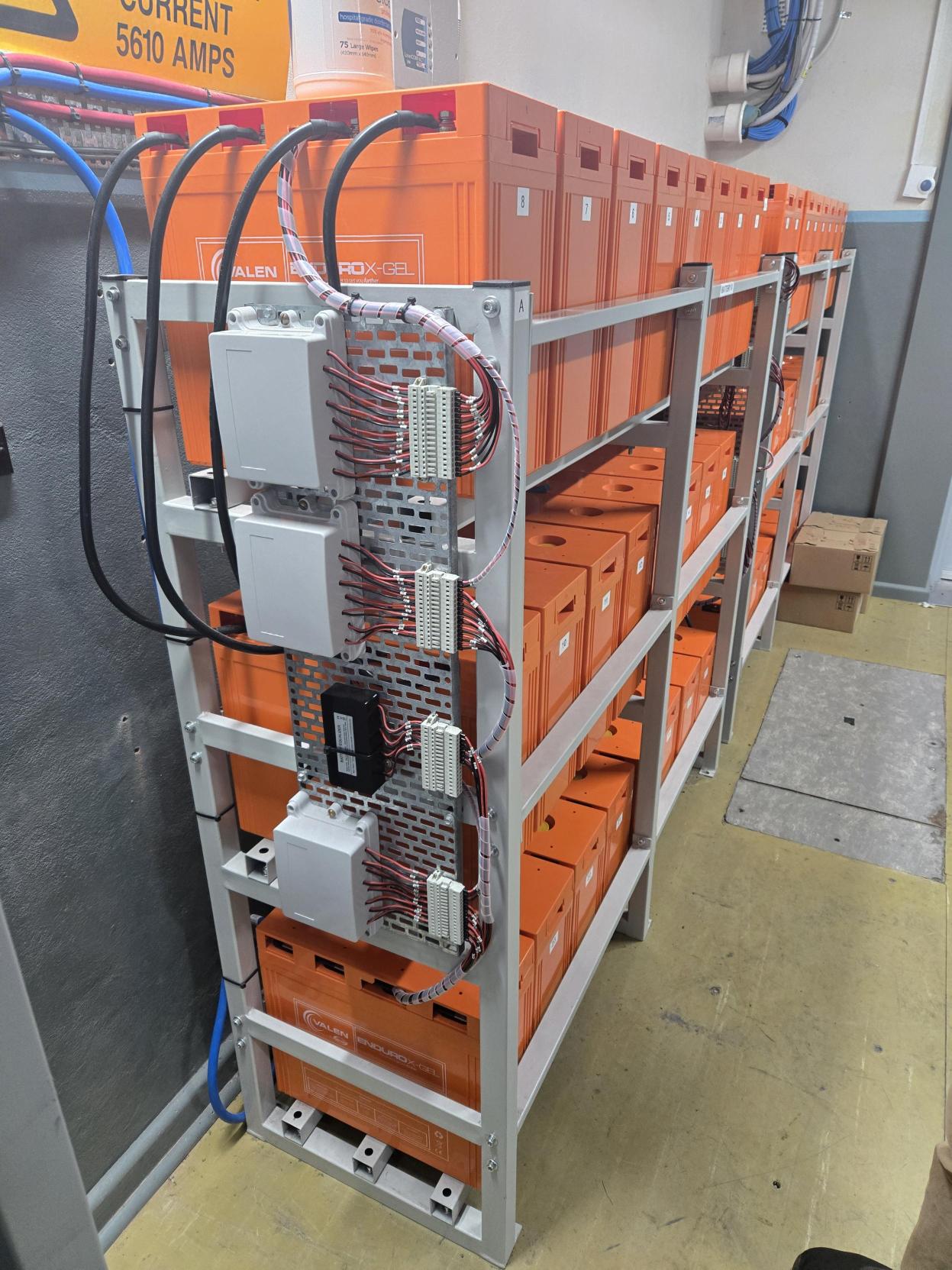
Valen positions ModX1 as a pre engineered, pre wired, pre tested remote power system built for critical loads like monitoring, SCADA, telemetry, and wireless networks, without the overhead of a custom build. Valen also shares a comparison that frames scratch builds as potentially reaching up to $30,000 (components plus labour), while ModX1 is positioned under $15,000 with pre wired installation and integrated mounting hardware.
What the ModX1 Configurator helps you decide upfront
The configurator is designed to generate a complete system specification based on a small set of choices. The decisions that matter most, and the ones that most often derail budgets, are:
- Voltage (12V or 24V)
- Monitoring approach
Lock these in early and you avoid most scope creep, rework, and “surprise” site costs.
1) Voltage: the one choice that sets your whole architecture
Choosing 12V or 24V is not a preference. It changes the whole system behaviour because it affects:
- Current draw for the same power
- Voltage drop across cable runs
- Cable sizing and install effort
- Conversion needs and conversion losses
- Protection and distribution sizing
- How easily you can standardise across a rollout
A practical field rule
- Choose 12V when loads are mostly native 12V and cable runs are short.
- Choose 24V when loads are higher, runs are longer, or you want lower current and simpler cable management.
If you are deploying a fleet, standardisation is the real win. Pick the voltage that fits the majority of sites and keep it consistent across the rollout. Consistency reduces commissioning variability, training time, and spare parts complexity.
2) Monitoring: the fastest way to reduce truck rolls
Monitoring is usually the first line item someone tries to cut, and it is often the line item that saves the most money later.
Valen describes ModX1 as an integrated system where components are tested and integrated in house, using ENLiFEN lithium batteries, Victron solar controllers, and Valen’s proprietary energy management system (EMS), with compatibility guaranteed.
That matters because monitoring only works well when the system is designed as one unit, not assembled from mixed parts with unclear responsibility.
What monitoring changes in the real world
When you add monitoring, you are not just adding hardware. You are improving operations:
- Early warning before a site drops offline
- Remote diagnosis so crews arrive with the right parts first time
- Fleet visibility to catch outliers before they become failures
- Fewer “just go check it” visits
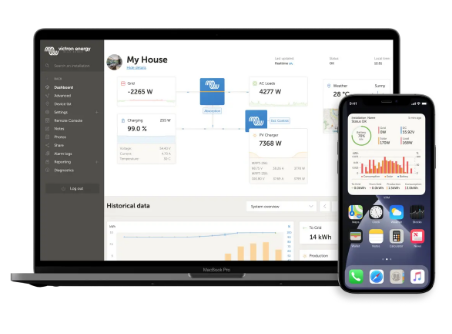
Monitoring turns downtime into data you can act on through Victron Remote Management (VRM) portal and VictronConnect.
The simple metric that makes sense on every job
If you need a single justification, use this:
Monitoring reduces truck rolls.
Avoiding even one remote site visit can materially offset the monitoring upgrade, especially in locations where travel and access are the dominant cost.
3) 4G remote monitoring: when visibility becomes non negotiable
The calculator asks whether 4G remote monitoring is required because comms changes how failures play out:
- Without comms, issues are detected late
- With comms, issues are detected early and diagnosed remotely
- With comms, commissioning assumptions can be verified using trend data, not guesswork
If the site supports critical communications, telemetry, infrastructure monitoring, or anything with a real uptime expectation, 4G visibility is often the difference between proactive maintenance and emergency response.
A simple decision rule:
- Tick 4G required when the site is remote, uptime matters, or you cannot afford delayed fault detection.
- Consider non 4G options only when the site is easy to access and the consequences of downtime are low.
Use the configurator output to prevent scope creep
Scope creep is the quiet killer of remote power projects. It usually looks like this:
- Cabinet is specified for modem and sensors
- Then someone adds a camera
- Then radios get upgraded
- Then edge compute appears
- Autonomy assumptions never get updated
- The system “works” until it does not
Treat the calculator output as your baseline specification.
When someone wants to add a new load, do not debate opinions. Ask one question:
Does the new load still fit inside the baseline specification, including autonomy and recovery margin?
- If yes, proceed.
- If no, it triggers a re-specification and a budget adjustment.
That single habit protects uptime and stops silent overload.
Build from scratch vs outsource: the short version
Most teams do not fail because they cannot build a cabinet. They fail because custom builds create variability that costs time on every site.
Valen’s comparison lays out the core idea:
- “From scratch” builds often means multiple purchase orders, integration effort, and more commissioning variability
- ModX1 is positioned as one system, pre wired and ready to install, with integrated mounting hardware
- Cost framing is “up to $30,000” for “from scratch” builds (components plus labour) versus “under $15,000” for ModX1, depending on project context
The goal is not to win an argument. The goal is to reduce avoidable time sinks: integration risk, inconsistent wiring, commissioning rework, and repeat troubleshooting.
The intended workflow, in plain steps
- List your loads
Include radios, sensors, modem, edge compute, and duty cycle assumptions.
- Select voltage (12V or 24V)
Use the rules above and think about standardisation across sites.
- Decide on monitoring and comms
If you care about reducing truck rolls, monitoring is usually a yes. If uptime and distance matter, 4G is usually a yes.
- Submit the enquiry
Once you submit, Valen has enough information to generate a complete system specification and send a no obligation quote aligned to your decisions.
- Use the spec as your baseline
Any change in loads or uptime expectations should trigger a spec update, not a workaround.
Even if you are building your own
If you are currently assembling remote power cabinets and want a benchmark, run the ModX1 Configurator and submit the enquiry. The spec and no obligation quote give you a fast way to compare build effort, monitoring, and overall cost.
And if you do deploy it, real field feedback matters. A quick review from the people installing and maintaining these systems helps improve the next build and makes future rollouts smoother.