
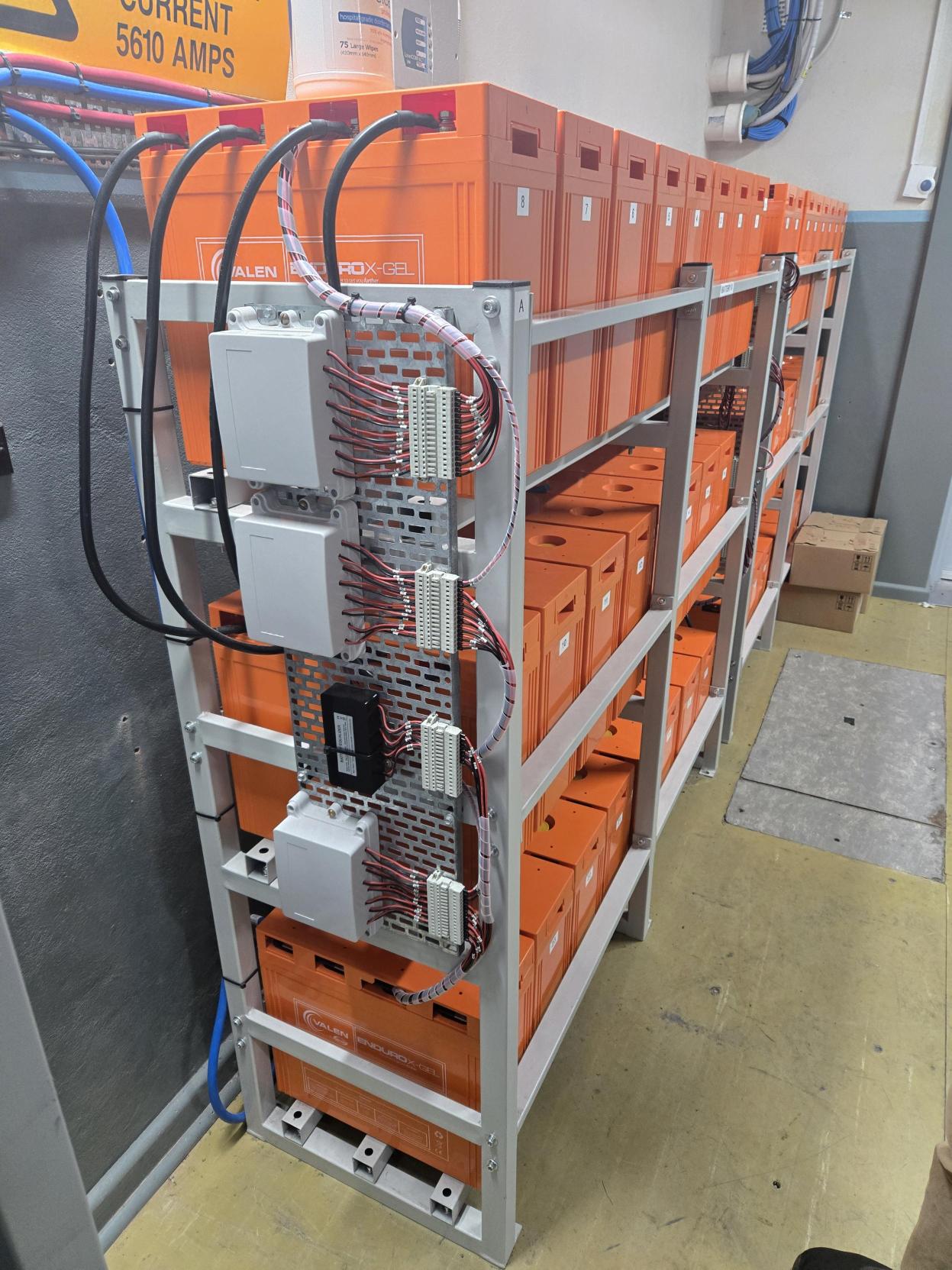



Most comms sites still run on lead acid. Many should not. The right choice depends on load, autonomy, temperature, access and how much a failure costs you. Here is a plain comparison.
| Factor | Lead acid (VRLA) | Lithium (LiFePO4) |
| Upfront cost | Lower | Higher |
| Cycle life | Shorter | Much longer |
| Weight / footprint | Heavier, larger | Lighter, smaller |
| Performance in heat | Degrades faster | More tolerant |
| Usable capacity | Lower depth of discharge | Higher usable capacity |
| Total cost over 10 years | Often higher (more swaps) | Often lower |
| Best for | Low-cost standby, easy-access sites | Remote, space-limited, high-cycle, hard-to-reach sites |
The decision, three questions:
1. How hard is the site to reach? The harder it is, the more lithium’s longer life pays back in avoided callouts.
2. How hot does the cabinet get? Heat punishes lead acid. Lithium holds up better.
3. What does an outage cost? If a coverage gap is expensive, buy the reliability.
Where SOLiCORE fits: For the most critical sites, SOLiCORE solid state lithium adds a further layer of safety and lifecycle certainty. Ask us where it is worth the step up.
Not sure which suits your sites? Book a battery replacement review.
The main job of the Energy Management System is to make sure everytdiscussed and defined during Valen’s design stage.
An account is required to add products to your cart, please login or register for an account.