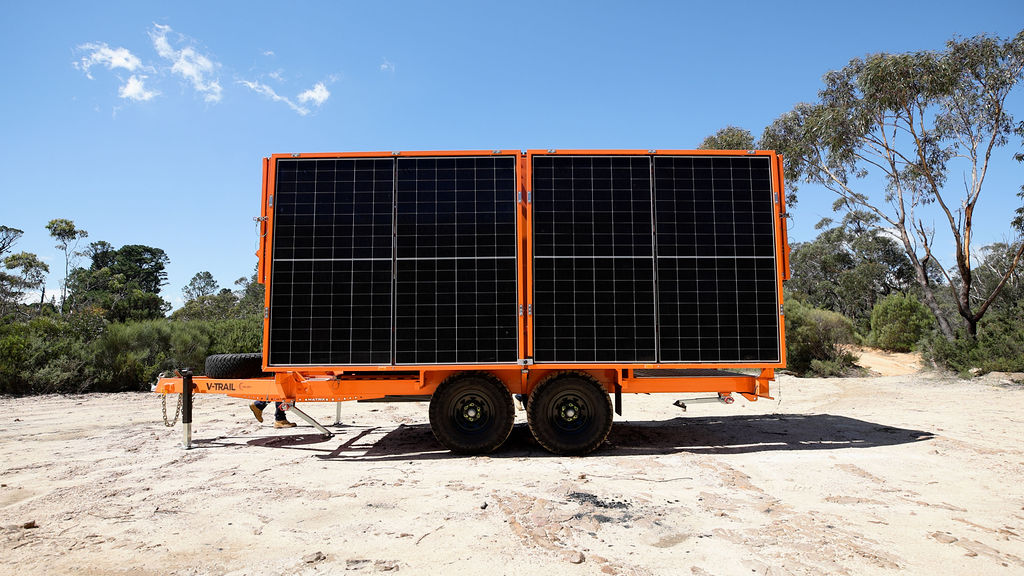
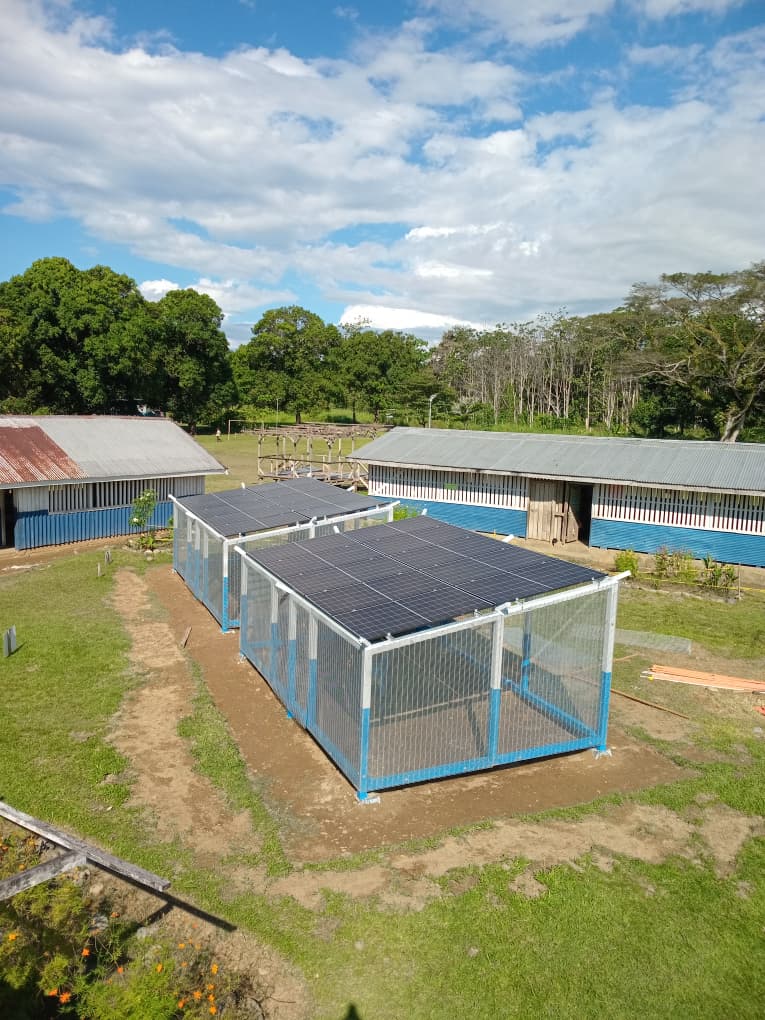
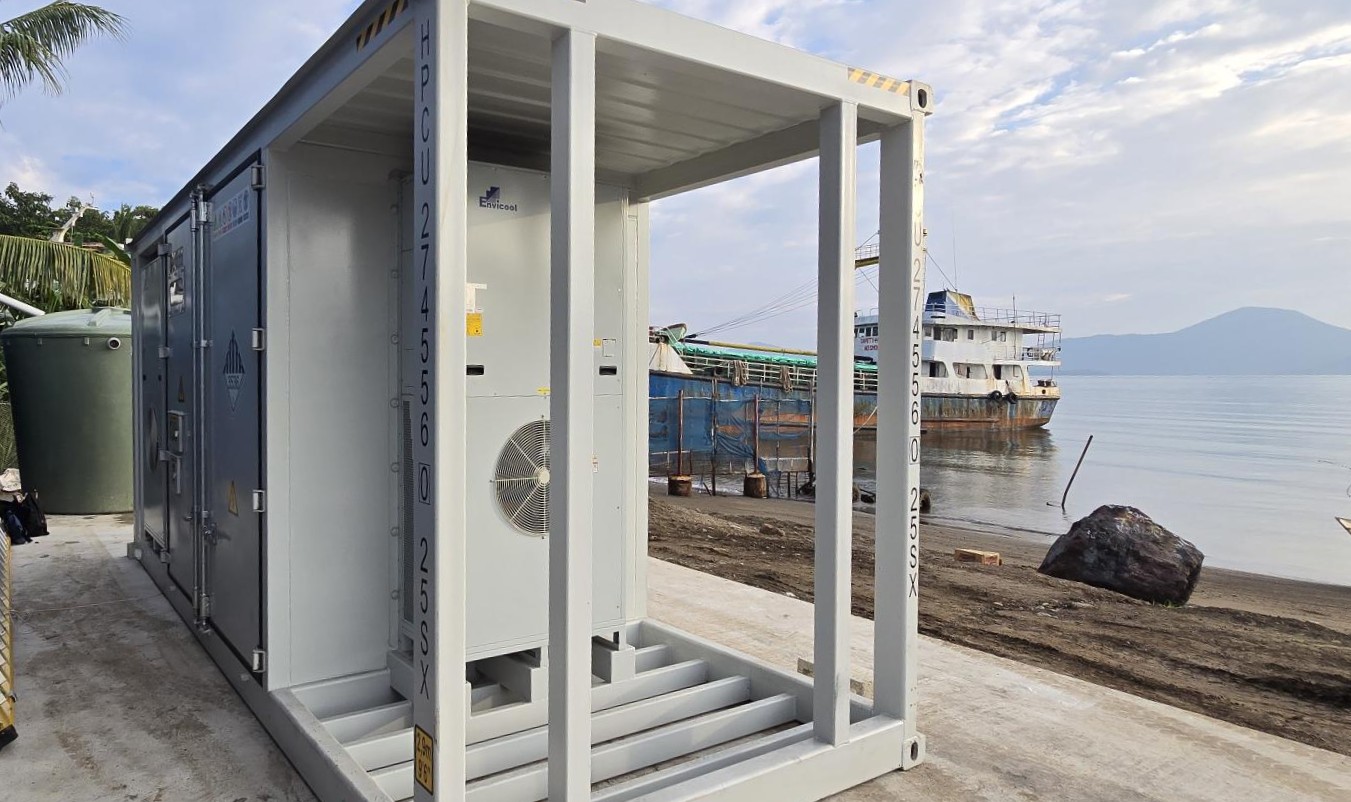
EnergyAustralia’s geological monitoring sites ran on solar, and solar alone wasn’t always enough. Valen Power added a Hyland 920 wind turbine alongside the existing solar, giving the sites a second renewable source that keeps producing when the sun doesn’t.
Discover
The Challenge
EnergyAustralia is one of Australia’s largest energy retailers. Part of its operation relies on geological monitoring sites, remote installations that need a steady supply of power to keep collecting data.
These sites were powered by solar. During periods of low solar output, such as extended cloud cover or short winter days, generation dropped and the sites’ power supply came under pressure.
EnergyAustralia came to Valen Power with three requirements. The fix had to be green, so adding diesel generation was off the table. It had to be slab or skid mounted to suit the way the sites were built. And it had to work with the solar infrastructure already in place rather than replace it.

Design
Our Scope
Rather than adding more solar panels to a site that was already short of sun, Valen Power looked at a second renewable source. Wind was the natural fit.
Monitoring sites of this kind are typically set on elevated ground with very few obstructions around them. That same open, exposed position that suits solar panels also gives a wind turbine clean, uninterrupted airflow.
Valen Power recommended the Hyland 920 wind turbine, a compact turbine designed for small off-grid systems. It charges into the same battery system as the solar, so the two sources share the load. When solar output falls, the turbine keeps generating whenever the wind is blowing, day or night.
Deliver
Installation
The turbine was installed at the existing site without major changes to the infrastructure already in place. EnergyAustralia noted how easy the installation was and that the benefits were immediate.
Support
The result
Adding wind gave EnergyAustralia a more dependable power supply at its monitoring sites while keeping the solution fully renewable.
- Cost-effective. A low-cost way to add generating capacity to the existing sites.
- Compatible. Integrated with the existing solar system rather than replacing it.
- More power. Increased overall power supply, particularly during low solar periods.
- Environmentally sound. Met EnergyAustralia’s environmental requirements, with no fuel, no emissions and nothing to refuel on site.
Beyond this project
Remote monitoring is common across mining, water, rail, telecommunications and environmental research. Any site that relies on solar alone faces the same risk in extended low-sun conditions. Where the site is elevated and exposed, a small wind turbine is often the simplest way to firm up supply without adding fuel or maintenance visits.